
Federated Farmers Backs Year 11 Agricultural Science
Federated Farmers is backing Feilding High School’s call to keep Agriculture and Horticultural Science as a standalone subject in Year 11.




 increase font size
 Bronwyn Muir.
As a dairy farmer I'm looking for a reason at the moment to help me focus on the positive points of farming in Taranaki.
Cashflow is tight and in the immediate future it doesn't look like there is going to be any dramatic improvement on that front.
When I chat with our sheep and beef neighbours the conversation seems to follow a similar theme. Farming profitably and sustainably is proving more and more challenging and Taranaki farmer morale isn't high.
The flipside is we live in a great farming region with many good things going for us that other regions are challenged by.
We are naturally green most of the year and we don't have to turn on machines to make it rain, although it would be handy now and then.
We have high calibre farmer business owners and management and supportive organisations and businesses all striving for the same thing – a successful, sustainable business in this great province.
Taranaki literally is still the land of milk and honey, with a 60% lift in apiculture in the last four years.
Tasty beef, lamb, pork and chicken are also grown here. So why is it if I go shopping for locally grown produce, I struggle to find the Taranaki origin brand on our food.
We are literally transporting our entire raw product out of the province by tanker, truck, container and barrel. Someone else clips the ticket and gets rich off our hard work.
We don't even have abattoir facilities to process local meat to serve up in our fantastic provincial restaurants, but you can get a good rack of Hawkes Bay lamb.
Recently I addressed Food Futures Taranaki 2016 on behalf of Taranaki Federated Farmers and Taranaki primary producers.
Massey University, Food HQ, and Venture Taranaki hosted a well-organised event with some excellent, inspiring speakers. They included Massey University vice-chancellor Steve Maharey, Massey University director of business engagement and establisher of Food HQ Mark Ward and Maori trustee and Te Tumu Paeroa chief executive Jamie Tuuta, research students and farm business owners.
It's a shame more local farmers didn't hear these leaders speak.
Everyone attending the Food Futures event saw the opportunity to work together as a province and look at how we could do Taranaki Food Inc better.
Yes, it needs investment, infrastructure, scale and commitment. As ever, I am an optimist and I know with the right heads around the table it can be done.
• Bronwyn Muir is Federated Farmers Taranaki provincial president.
Federated Farmers is backing Feilding High School’s call to keep Agriculture and Horticultural Science as a standalone subject in Year 11.
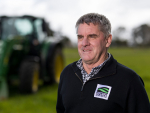
National’s pledge to introduce 19 new national standards shows the party is serious about getting Wellington out of farming, Federated Farmers says.
Mobile phone coverage and reliability are deteriorating in rural areas, and farming families are bearing the cost, according to a Federated Farmers survey.
Central Otago District Council (CODC) has voted against a plan to spread treated sewage sludge from Cromwell and Alexandra on farmland near Lauder, a decision Federated Farmers says reflects strong opposition from rural residents.
Federated Farmers has called on Central Otago District Council (CODC) to drop or vote down a plan to truck sludge from Alexandra and Cromwell to farmland near Lauder, warning it would compound an "outrageous" situation created by a separate council's decision weeks earlier.


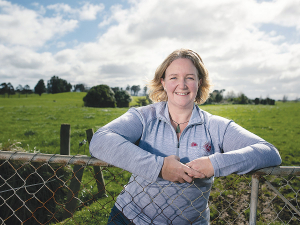
Farmers are being encouraged to rethink how they manage waste on farm with the launch of ruralwastesorted.co.nz, a new website bringing together practical tips, real farmer experiences and resources.

New Zealand Winegrowers (NZW) is celebrating the India-New Zealand Free Trade Agreement (FTA) coming into force today, bringing New Zealand wine improved access to one of the world’s fastest-growing economies.
New Zealand’s red meat sector has welcomed the India-New Zealand Free Trade Agreement taking effect, which removes India’s 33% tariff on New Zealand sheepmeat.
More than 95 per cent of New Zealand’s forestry and wood exports to India can now enter tariff free as the New Zealand-India Free Trade Agreement comes into force today.
Federated Farmers is backing Feilding High School’s call to keep Agriculture and Horticultural Science as a standalone subject in Year 11.
Food and fibre exports have returned a billion- dollar bonus to the country.


OPINION: It seems Canterbury processor Synlait is still in the doldrums.
OPINION: Get offside with New Zealand First leader Winston Peters at your own peril.




