Idea of killing cows to curtail methane emissions 'crazy'
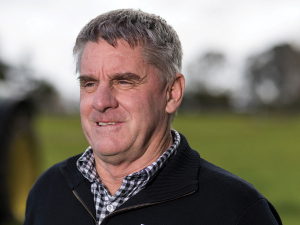
Visiting US climate change expert Dr Will Happer says the idea of reducing cow numbers to greatly reduce methane emissions is crazy.
OPINION: The race to find the silver bullet and reduce methane emissions in cows is on.
By 2025, capsules delivering a methane-inhibiting substance into the stomachs of livestock could significantly reduce the country's greenhouse footprint.
That's the goal of Waikato-based Ruminant BioTech. Repurposing the slow-release pills used to deliver medicines to livestock, the start-up created a proprietary capsule that it says reduced cattle-made methane by 90% for months.
Although the trials are at an early stage and haven't been published, the start-up said its goal now was to deliver a commercially viable product that can cut methane by 70% over six months.

The avocado sector is entering the new season with a larger crop and positive market opportunities.
New Zealand growers have always adapted to changing conditions, but one challenge is steadily gaining ground across the horticulture sector: resistance.
Blueberries have the potential to become a major horticultural export, earning up to $150 million within the next three to five years.
Twenty five secondary school students from around New Zealand recently completed a three day residential programme designed to explore career opportunities across the food and fibre production supply chain.
Conversions of sheep and beef farms to forestry have slowed, however new research from Beef + Lamb New Zealand (B+LNZ) suggests land of value for food production remains at risk.
OPINION: A simpler, clearer, more effective Recognised Seasonal Employer (RSE) scheme.
OPINION: The Irish dairy sector is facing a new dilemma - maintaining year-round fresh milk supplies.
OPINION: Could beef cows play an increasingly important role in improving profitability and resilience on hill country farms?