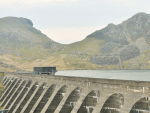
Editorial: Making Water Storage Easy
OPINION: Making it easier to collect rainwater and use it to grow crops and livestock is a no brainer.




 increase font size
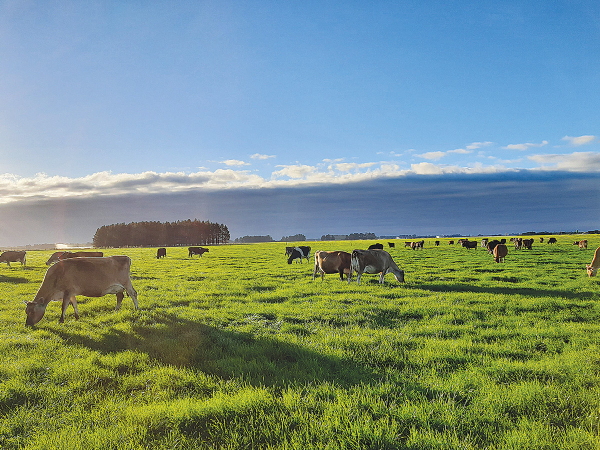 Farmers claim methane targets have been a point of contention since they were first introduced.
OPINION: The Government's recent announcement that methane targets will be reviewed is bringing relief to farmers.
The current target of 24-47% cuts by 2050 set by the previous government is unfair. Farmers are looking for a more sensible target from an independent ministerial advisory panel which will be confirmed in the coming months.
Farmers claim methane targets have been a point of contention since they were first introduced because the government of the day chose to set targets that were highly political instead of scientifically robust. They go much further and faster than what is needed and will come at a huge cost to farmers, rural communities, and the New Zealand economy.
The farmer-friendly coalition Government has been clear in the commitment to maintain a split-gas approach to its domestic climate change targets.
The independent review, which will report back to the Government by the end of the year, will provide evidence-based advice on what our domestic 2050 methane target should be, consistent with the principle of no additional warming.
Associate Agriculture Minister Andrew Hoggard, a former Federated Farmers president, wants to ensure that agriculture’s contribution to the 2050 Climate Change targets are fair and appropriate compared to other parts of the economy.
“It’s important that domestic efforts to cut emissions do not drive a drop in our agricultural production."
The Government says an investment in innovative technology is the key. It expects a science-led approach is taken to assessing the targets, with the Government and sector working towards practical tools and solutions for farmers.
Other parts of the economy are being asked to reach net zero and stop their contribution to further warming by 2050, but farmers are being asked to go much further than that. That isn’t acceptable.
OPINION: Making it easier to collect rainwater and use it to grow crops and livestock is a no brainer.
OPINION: New health and safety guidance unveiled by the Government recently provides farmers greater certainty about what is expected of them when managing risks on farm.
OPINION: Have a plan in place now!
For the first time in a quarter of a century, Federated Farmers has something positive to say about the Labour Party’s climate change policy leading into a general election.
OPINION: The stats speak for themselves.


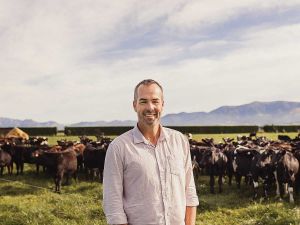
For Canterbury dairy farmer Cameron Henderson, supporting Meet the Need comes down to a simple question: how can the success of New Zealand farming benefit more than just those within the industry?
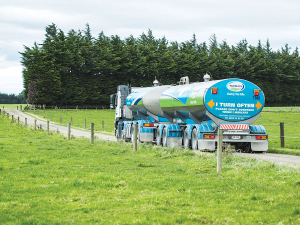
Fonterra board members are in line for a pay rise of around 3%.
Dairy processors are ready to further boost New Zealand’s export earnings but want the incoming government to match their ambition with good policy.
Massey University is best placed to solve the “problems” facing the dairy industry, says vice chancellor, Pierre Venter.
Synlait's longest serving employee – a man who joined the Canterbury-based milk processor even before it began processing milk – is now its newest executive.
A dairy industry leader believes eradicating the common and costly disease, Bovine Viral Diarrhoea (BVD) is within reach.

OPINION: It seems Canterbury processor Synlait is still in the doldrums.
OPINION: Get offside with New Zealand First leader Winston Peters at your own peril.




