Pain relief for lame cows a game changer
The traditional method to approach lameness involves corrective trimming of the affected area.




 increase font size
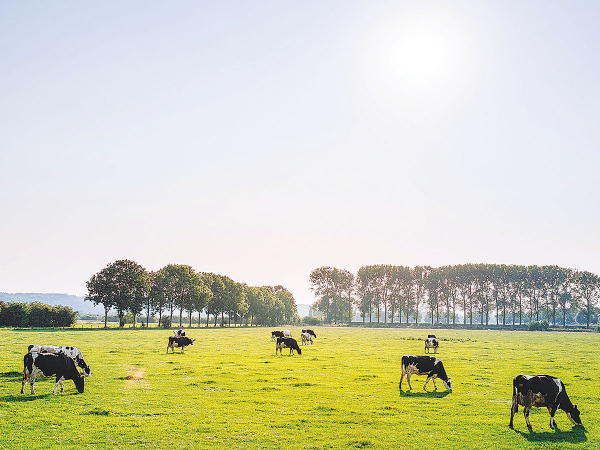 It feels like all eyes are on our farms and everyone wants information about every aspect.
OPINION: We are a far cry from the old days where what happened within the farm boundary was only the farmer’s business.
It feels like all eyes are on our farms and everyone wants information about every aspect. This can be challenging, it’s creating confusion and a bit of anxiety.
But if we step back and look at the bigger picture we start to understand the why, and more importantly, how we can take advantage of some of the must-dos.
Milk processor requirements are continuing to evolve and we question why they are interested in topics like genetics or how herds are managed in extreme weather conditions. It’s not that they are looking for ways to devalue your product and pay you less, they are focused on their primary role which is to sell your milk at the highest value possible.
And we can’t forget how differently New Zealand farms compared to the rest of the world.
We are trying to showcase the good things that happen with our animals and the positive life they lead but it can be like speaking Spanish when everyone else understands English.
Milk processors aren’t in the business of making us do things for the sake of it, they are trying to run efficient businesses and they need to back up their claims and build evidence to provide assurance and seek premiums for New Zealand products. So we need to find the opportunities that can benefit us at our personal and business levels.
Efficient management
Using an animal health plan or wellbeing plan to proactively manage a herd helps both the farm and veterinary business save time, effort and money. By reviewing performance, identifying opportunities and making plans to manage the herd accordingly, it could prevent production loss or losing animals, which creates a significant return on investment.
Plans are a good basis for the seasonal relationship between your vet and the farm. They provide an overview, highlighting current performance and where there are opportunities to improve. The plan is the framework to determine which activities should happen and when for what is relevant for the individual herd.
 |
|---|
|
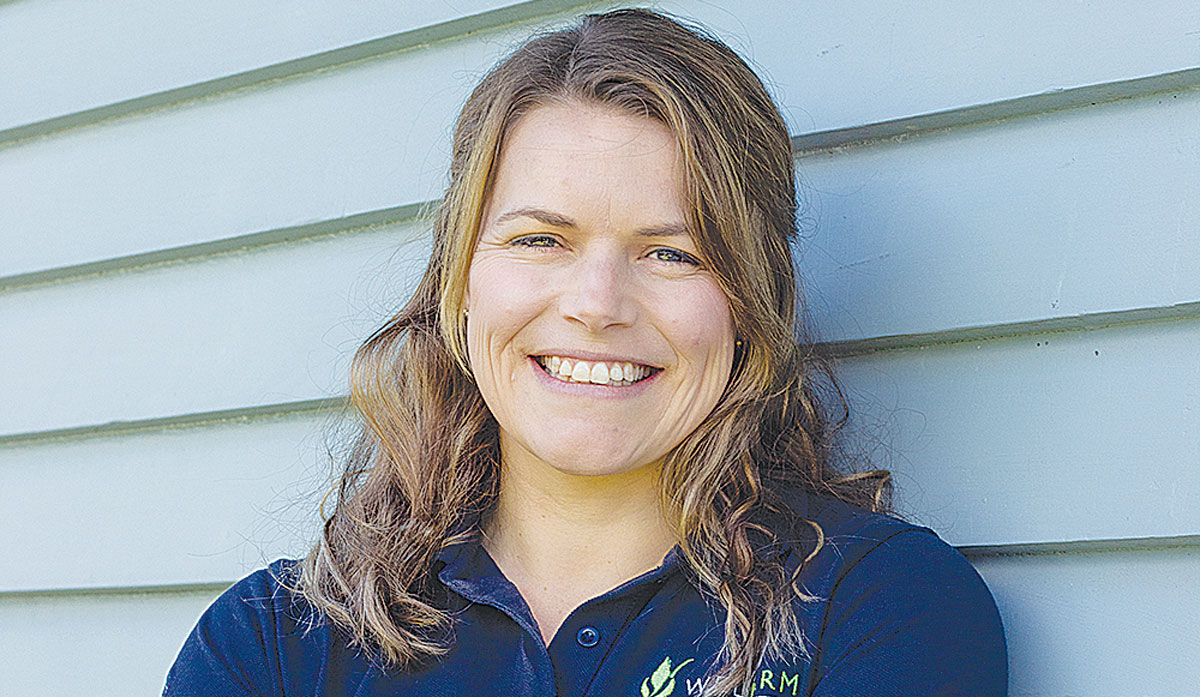
WelFarm general manager Samantha Tennent. |
It also creates accountability, if we agree to do something we can hold each other accountable and make it happen. And if we tried but didn’t get the results we were after, we can determine another tactic and keep a record of what has and hasn’t been working.
The topics covered also help bring the vet onto the same page as the farmer. It encourages conversations that vets generally might not get a chance to dive deeper into and helps them understand some of the motives or identify where they could add value with information and considerations.
Thorough discussion and data collection can also help identify areas a clinic can concentrate resources on. Perhaps there is a pressing issue surrounding lameness, or clinical mastitis and with limited time and resources, it can be hard to cover everything. Having information can help them identify where their farmers are struggling the most and help focus efforts on those areas to get the best return.
While it can be challenging adapting to our changing landscape, we must appreciate the opportunities it offers too. Data is king and having clear information at your fingertips supports relationships as well as the outcomes businesses are striving for.
Check out the tips and info section on our website to explore more ways you can use your data to help your business: welfarm.co.nz.
Samantha Tennant is general manager WelFarm Ltd
The traditional method to approach lameness involves corrective trimming of the affected area.
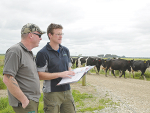
A solution to help farmers complete the animal wellbeing part of their on-farm assessments will be available from this month thanks to a new relationship between WelFarm and Fonterra.
Antibiotic use is under increased pressure because any time we use antibiotics there is an increased risk of bacteria developing resistance.
A negative energy balance (NEB) is when the energy demands for lactation, maintenance and activity are not met by dietary intake and the cow is forced to mobilise its fat and muscle to provide energy to meet the deficit.
The pain scale medical professionals use with people isn’t applicable to animals. They can’t tell us whether they’re experiencing a 5 or a 9 out of 10. But that doesn’t mean they are not impacted by pain.

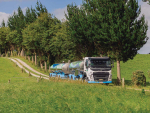

Farmer-owned fertiliser company, Ballance Agri Nutrients is welcoming National’s plan to negotiate security agreements with key supplier countries to protect New Zealand-bound products from export restrictions and greater supply chain certainty.
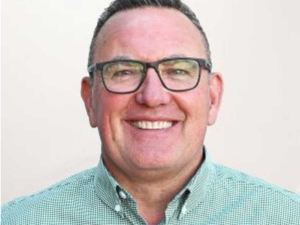
Carrfields has announced the appointment of Stu Hall to the newly created role of chief operating officer, Carrfields Ltd, reflecting the continued growth of their agribusinesses and the need to ensure the company has the leadership capacity and support in place as it pursues the emerging opportunities ahead.
New Zealand's role is not to compete with Indian growers, according to NZ Apples and Pears.
The potato industry is celebrating the success of two rising stars - James Blair, the 2026 Young Grower of the Year and runner-up and innovation award winner, Amber Davy.
Twenty-eight emerging leaders from across the horticulture sector spent two days last month learning valuable skills and connecting with industry experts.
There are five entrants in this year’s Young Horticulturist of the Year, competing in a series of technical, practical, business and leadership challenges.
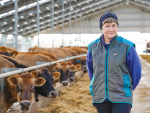
OPINION: It seems Canterbury processor Synlait is still in the doldrums.
OPINION: Get offside with New Zealand First leader Winston Peters at your own peril.