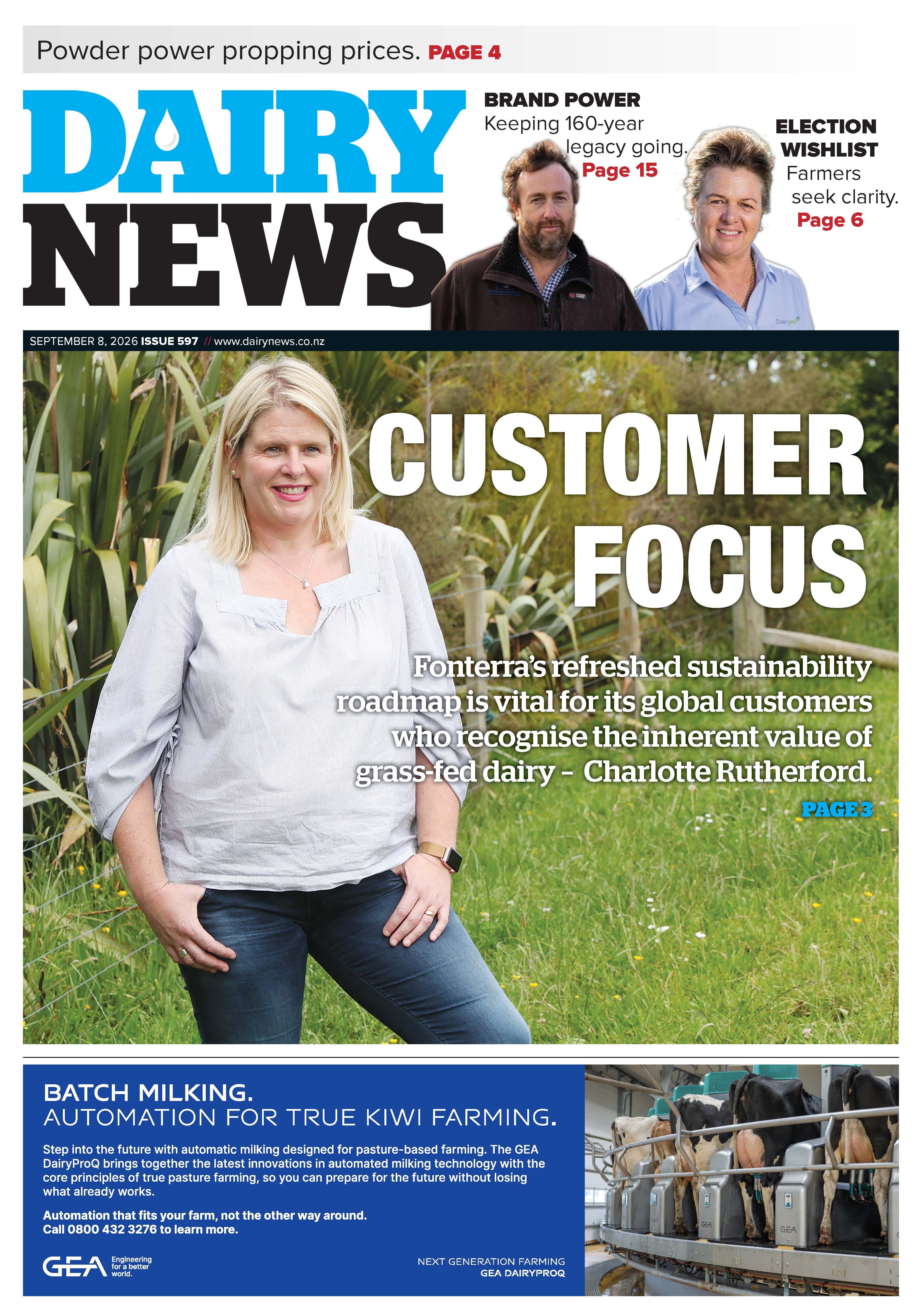
Embrace change or die
Cheese without the cow, synthetic meat, robotics and gene editing were among the topics discussed at the inaugural Grow 2019 Agri Summit last week in Christchurch.




 increase font size
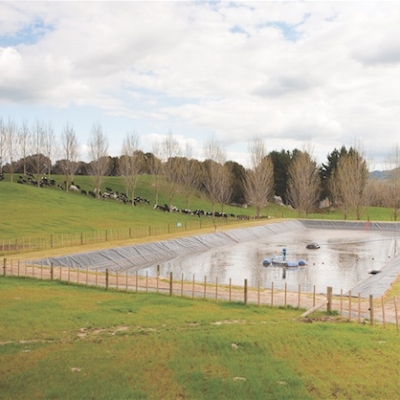 A well-designed pond is efficient
A WELL-DESIGNED and managed effluent pond is efficient and reduces risk to a farm, says DairyNZ. It also increases flexibility: you can determine when to irrigate at a time that suits.
It allows more effective utilisation of nutrients and water and reduces risk of effluent non-compliance, protecting the environment in the process.
DairyNZ urges farmers to keep three things in mind when designing a pond: a sealed pond avoids leakage to groundwater, a well designed structure allows for operation and maintenance, and such a pond will meet regional and district council and Building Act requirements.
Planning is a critical stage, DairyNZ says. “Poor information now will compromise the whole project and your effluent pond may never meet your needs. To ensure your designer and contractor has the right information… you will need to tell them about your intentions and design preferences.”
Future-proofing is also important. “You do not want your new pond to be inappropriate or unable to cope in five years.”
Good workmanship is also critical – using the right persons for the job.
Designing and constructing FDE ponds is a technical job and requires specialist knowledge, DairyNZ says. “Get a suitably qualified person to design your pond… for assurance that it will be appropriate for your farm and farming system. It must comply with regional council requirements and be designed with an understanding of the current research and best technology options available.”
Earthworks contractors and equipment/service suppliers may both be involved at different stages of the construction process e.g. excavation, liner installation.
Choose contactors experienced in building ponds and showing industry and farmer references.
A suitable contract is critical before design or construction begins, to ensure both parties are clear about expectations. A written contract will protect your interests and set out your rights and obligations. It also gives your engineer/contractor an incentive to get things right first time.
Get it right
When making the decision to install a new farm dairy effluent storage pond, consider:
Cheese without the cow, synthetic meat, robotics and gene editing were among the topics discussed at the inaugural Grow 2019 Agri Summit last week in Christchurch.

Cellular meat and molecular whiskey are among new developments taking over global food production, an international agri-summit recently heard in Christchurch.
Environmental awareness is a “tsunami coming down on us,” says the sheep breeding programme manager for Focus Genetics, Richard Lee.
Ballance Agri-Nutrients is confident that Sustainable Dairying: Water Accord targets around nutrient data collection and efficiency reporting will continue to lift.
Farmers are being offered extra environmental protection advice through an upgraded version of the hugely popular "farm menus".


Farmer-owned fertiliser company, Ballance Agri Nutrients is welcoming National’s plan to negotiate security agreements with key supplier countries to protect New Zealand-bound products from export restrictions and greater supply chain certainty.

Carrfields has announced the appointment of Stu Hall to the newly created role of chief operating officer, Carrfields Ltd, reflecting the continued growth of their agribusinesses and the need to ensure the company has the leadership capacity and support in place as it pursues the emerging opportunities ahead.
New Zealand's role is not to compete with Indian growers, according to NZ Apples and Pears.
The potato industry is celebrating the success of two rising stars - James Blair, the 2026 Young Grower of the Year and runner-up and innovation award winner, Amber Davy.
Twenty-eight emerging leaders from across the horticulture sector spent two days last month learning valuable skills and connecting with industry experts.
There are five entrants in this year’s Young Horticulturist of the Year, competing in a series of technical, practical, business and leadership challenges.


OPINION: It seems Canterbury processor Synlait is still in the doldrums.
OPINION: Get offside with New Zealand First leader Winston Peters at your own peril.