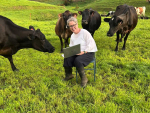
International Day of Rural Women: Two DairyNZ Farmers’ Stories
Today, 15 October, is the International Day of Rural Women, which recognises rural women’s contribution to farming, communities and the environment.




 increase font size
 Matthew Newman, DairyNZ.
Dairy farmers must review their budgets line by line says DairyNZ economist Matthew Newman.
Close scrutiny of budgets is crucial so farmers can identify any possible savings, he says.
“Many farmers will be doing that, whereas in the past four or five years they haven’t needed to do it to the same extent. They must take a hard-nose approach and ask ‘what can I do without? Can I pull back fertiliser and feed and what are the long-term implications of doing that? There are many things to consider when determining where to make savings.”
Newman says he knows low-producing cows are still being culled -- more than in previous years. Slow pasture growth in many regions is making farmers conscious of feed levels. If things don’t improve soon dairy farmers may have to feed PKE at a cost they would rather not bear.
“The cow cull brings a small injection of cash but not huge money -- about $1000. And there are some savings in not having to feed those animals.” Future mating costs are also saved, he points out.
Meanwhile DairyNZ’s general manager for extension, Andrew Reid, reports lots of requests for advice – some on budgeting and on farm systems. On the budgeting issues they mostly refer the farmers to other rural professionals, but they advise on farm systems.
“Farmers are scrutinising their farm systems and this goes hand in hand with budget advice for the most sustainable system longer term.
“Rather than looking at the next three-six months, people are looking out longer to make sure that if they go through a downturn in another five years they have a resilient farm system that will let them ride it out. This is becoming a topical issue on farms now.”
DairyNZ has comparative budgets on its website for farmers to look at for guidance or to benchmark themselves against others.
Today, 15 October, is the International Day of Rural Women, which recognises rural women’s contribution to farming, communities and the environment.
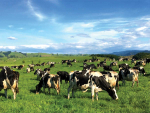
The first major update to the Dairy Cattle Code of Welfare in more than a decade has been released, marking what DairyNZ describes as an important step in ensuring animal welfare standards continue to evolve alongside scientific evidence and on-farm realities.
Have a plan in place for your cows and staff.
DairyNZ deputy chair Cameron Henderson has been re-appointed unopposed for another term.
OPINION: The stats speak for themselves.


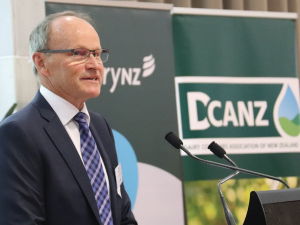
Dairy processors are ready to further boost New Zealand’s export earnings but want the incoming government to match their ambition with good policy.
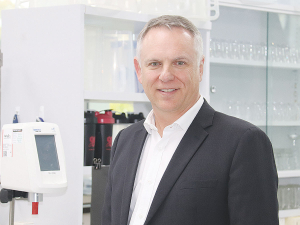
Massey University is best placed to solve the “problems” facing the dairy industry, says vice chancellor, Pierre Venter.
Synlait's longest serving employee – a man who joined the Canterbury-based milk processor even before it began processing milk – is now its newest executive.
A dairy industry leader believes eradicating the common and costly disease, Bovine Viral Diarrhoea (BVD) is within reach.
A farmgate milk price of $10/kgMS this season is firming up as milk powder prices soar and the New Zealand dollar weakens.
Federated Farmers has welcomed new rural policies released by ACT, saying they align closely with its own election priorities.


OPINION: It seems Canterbury processor Synlait is still in the doldrums.
OPINION: Get offside with New Zealand First leader Winston Peters at your own peril.




