
Farmers send clear message
A cacophany of sounds - barking dogs, the roar of tractors and tooting ute horns - descended on towns and cities around the country on Friday, July 16.




 increase font size
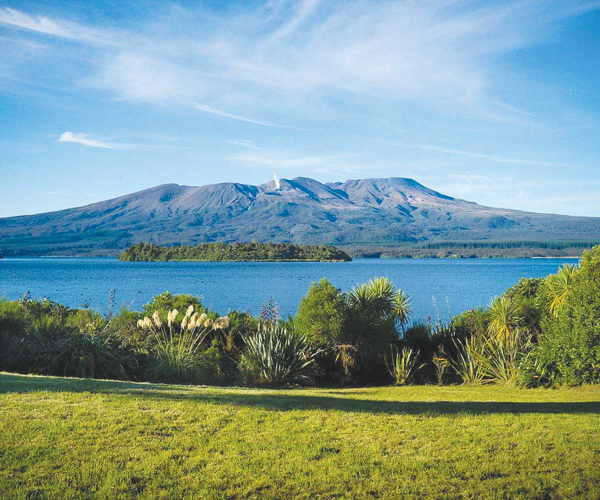 Specific water quality monitoring functions in Lake Taupo have been transferred to the Tuwharetoa Māori Trust Board.
A special ceremony was held in Taupo recently for the official signing of an agreement to transfer specific water quality monitoring functions to the Tūwharetoa Māori Trust Board.
At a meeting in July, Waikato regional councillors voted unanimously in favour of transferring summer bathing beach, regional rivers, rainfall and groundwater quality monitoring within the Lake Taupo catchment to the trust board.
It’s the first iwi authority in Aotearoa New Zealand to have functions transferred to them by a council.
Governance and senior officials from both the council and the trust board were at the singing on October 16, which saw the formal agreement signed by leaders.
Council chair Russ Rimmington described it as an important step forward in resource management for our nation, sending a strong signal that the time has come for more effective engagement between councils and iwi.
“The signing of this agreement is the start of something new, providing the opportunity for Ngāti Tūwharetoa to be directly involved in tracking the quality of these water bodies over time.”
For Waikato Regional Council, it creates a more efficient method for delivering some monitoring functions, saving it more than $100,000 over a 10-year period.
Regional councillor Andrew MacPherson said at the event that the council had become more confident in working in partnership with iwi.
“Through the maturing of our relationship, we are no longer looking to just meet statutory requirements or minimums. We are seeking greater opportunities to work together, to partner on projects that are mutually beneficial to iwi and the council, and therefore the wider community,” MacPherson said.
Tūwharetoa Māori Trust Board will only collect samples – not make decisions – and the data collected in undertaking sampling will remain in the ownership of Waikato Regional Council.
A cacophany of sounds - barking dogs, the roar of tractors and tooting ute horns - descended on towns and cities around the country on Friday, July 16.

About 150 people turned out last week to attend a field day at Ngai Tukairangi Trust’s kiwifruit orchard at Matapihi.
Māori Development Minister, Nania Mahuta says horticulture is an important and emerging sector for Māori.
A Māori-owned and operated berryfruit company, Miro, aims to return $170 million annual income in eight years to its blueberry growers using state-of-the-art systems.
No ‘magic bullet’ exists for managing a farm environmental footprint, says Ngai Tahu Farming’s general manager of dairy, Shane Kelly.



National’s pledge to introduce 19 new national standards shows the party is serious about getting Wellington out of farming, Federated Farmers says.
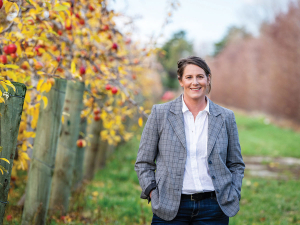
The National Party’s policies to make it easier to grow fresh vegetables, secure reliable water and energy and simplify farm planning are practical changes that will give growers the confidence to invest, according to Horticulture New Zealand (HortNZ).
Fonterra Co-operative Group chief financial officer Andrew Murray has resigned to take up a role outside the dairy giant.
A major move is about to get underway to improve the quality and viability of dairy beef and cattle in NZ.
Veterinarians say changes to the code of welfare for dairy cattle provides a positive foundation for improved cattle welfare across the country.
Today, 15 October, is the International Day of Rural Women, which recognises rural women’s contribution to farming, communities and the environment.




OPINION: It seems Canterbury processor Synlait is still in the doldrums.
OPINION: Get offside with New Zealand First leader Winston Peters at your own peril.




