Monday, 01 August 2016 07:55

Are you ready? Six tips for success

Written by 
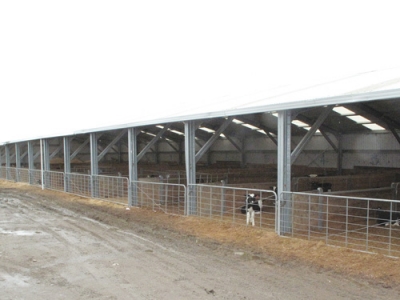
Make sure to meet the calves’ need for colostrum, water and shelter. Make sure to meet the calves’ need for colostrum, water and shelter.

Calving is getting underway in many regions, seeing farmers excited to see their future herds hit the ground, LIC says.

"Getting the most out of these carefully bred young stock starts at birth, so here are some tips to help you and them survive and thrive in the rush of spring":

1. Immunity - Is delivered via colostrum. Make sure they have had 2-3L of first milking colostrum in the first six hours and another 2L in the first 24 hours of life.

2. Top notch process - When and how do you collect the calves? Do you have a system for making sure every calf gets navel sprayed, tagged and fed colostrum?

3. Roster well ahead - Make sure your staff know which days they're rostered on. If you're sole charge, consider hiring casual help occasionally to let you spend time elsewhere if you need to get essential jobs done.

4. Keep on top of bugs - There aren't enough hours in the day to do everything, but make sure you stay on top of calf shed sanitation. Mortality rates can soar quickly in dirty sheds. Talk to your veterinarian about the best products to use.

5. Calf care - For a refresher on the key points, read the Calf Care resource from DairyNZ. Make sure you know how to meet the calves' needs for colostrum, handling, shelter, bedding, and water.

6. The right rearer - Have you got the right rearer for your calves? They need to be reliable, hard-working, caring and observant, and have the willingness to deliver extra TLC when it's needed.

With processes in place, staff trained and the calves in good hands once they're in the shed, calving should go smoothly.


More like this

BVD Control in Dairy Herds: How to Find & Remove PI Animals

Bovine Viral Diarrhoea (BVD) is estimated to cost New Zealand's dairy and beef industries more than $150 million every year, yet many of the tools needed to control it are already well understood. After more than 25 years in veterinary practice, Andrew Weir, animal health technical specialist at LIC, has seen firsthand the impact BVD can have on herd performance. We asked him about the role of persistently infected (PI) animals and the practical steps farmers can take to reduce their risk.

Featured

How Wearable Tech Powers This 1,850-Cow Dairy Farm

For Canterbury dairy farmers Sian Meijer and Rick Wobben, wearable technology has become one of their most valuable on-farm tools - helping manage 1850 cows across an expansive, high-performing dairy operation while improving efficiency, mating outcomes and day-to-day decision making.

New Dairy Welfare Code Released, Takes Effect 2027

The first major update to the Dairy Cattle Code of Welfare in more than a decade has been released, marking what DairyNZ describes as an important step in ensuring animal welfare standards continue to evolve alongside scientific evidence and on-farm realities.

Federated Farmers Welcomes RMA Replacement Passing

Federated Farmers says new legislation replacing the Resource Management Act will cut red tape, unlock investment and help grow New Zealand's export-led economy, after the Planning Bill and Natural Environment Bill passed their third reading in Parliament yesterday.

National

Machinery & Products

» Latest Print Issues Online

Milking It

» Connect with Dairy News

» eNewsletter

Subscribe to our weekly newsletter