Known throughout New Zealand for its innovative and robust calf-feeding solutions, Stallion Plastics has never shied away from experimenting with the latest technologies, with the aim experimenting with the latest technologies, with the aim to make life easier and improve a user's bottom line.
Designing, manufacturing and distributing agricultural products since 1984, Stallion's introduction of a new product line sees it move in a different yet complementary direction, with a development likely to save farmers time and money.
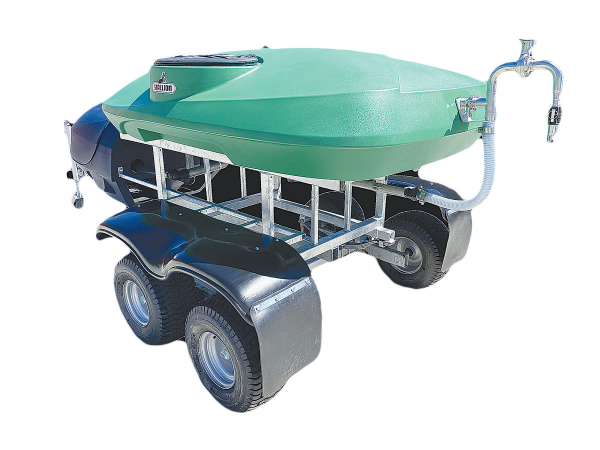
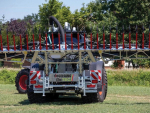
Fert-500 is the company's first trailed fertiliser applicator, designed to apply nutrients carried in suspension as a foliar application, recognising that reducing fertiliser inputs and improving utilisation will be a key consideration for all NZ farmers looking to control overheads and meet environmental obligations.
Built on a durable and robust galvanised steel frame with a suspended tandem axle layout, the Fert-500, as its name suggests, has a 500-litre spray tank, made from UV stabilised polyethylene.
As well as being ideal for applying nitrogen post-grazing, the unit can also be used pre-grazing for the application of lime flour or magnesium, carried in suspension. Offering a coverage of 3-5ha depending on application rate, the typical mixing time is between 5 and 7 minutes, while spreading width is 10 to 12 metres.
Carrying a two-year guarantee, the Fert-500 offers a recirculation function and a self-cleaning tank, with power provided by a Honda single cylinder engine, housed in a protected binnacle alongside all key controls.
www.stallion.co.nz