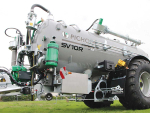
Pichon Adds SV10R and SV14 to SV Slurry Tanker Range
French manufacturer Pichon has expanded its SV slurry tanker range with the launch of two new models.




 increase font size
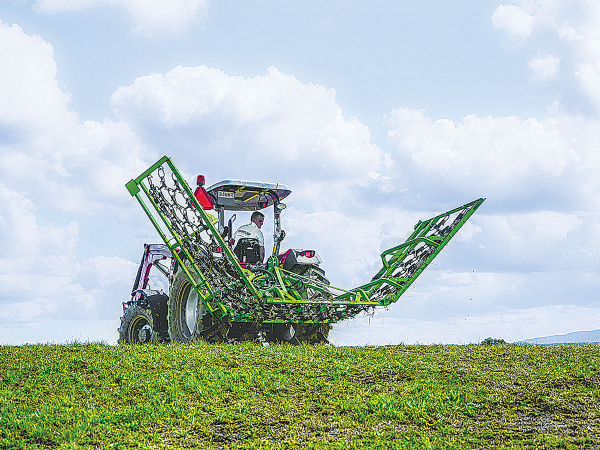 Hustler Equipment’s new Regener8r chain harrow.
The latest release to an ever-expanding range at Hustler Equipment, based in Hastings, is the cleverly named Regener8r chain harrow.
As with any chain harrow the aim of the machine is to promote new grass growth by removing old thatch and moss, so increasing air movement and water infiltration, alongside allowing sunlight to provide vitamin D to the young plants.
Post grazing, chain harrowing is also useful to break up and spread any manure “pats” or clumps, while also moving any large piles of manure that might smother grasses, leading to bare areas that then become prone to growing weeds. There is also the benefit of utilising the nutrient values of the organic material, helping to reduce the overall cost of artificial fertilisers.
Offering a working width of 6.3 metres, effectively covering 13 square metres of ground, the LM 630 weighs in at around 360kg, the LM360 harrow features a 3-piece folding frame manufactured from S355 carbon steel-said to be 30% stronger than standard steels-incorporating six strengthening straps across the frame. Folded hydraulically, mechanical transport locks offer safe travel and remove any shock loading to the hydraulic system.
At the front of the harrows, a folded, 8mm thick, levelling bar creates a smoothing effect that is followed by the four row harrows that incorporate cast agitators for a longer service life. At either extremity of the harrow, heavy-duty, interchangeable skids protect the main harrow frames from any rocks, stones or foreign objects.
French manufacturer Pichon has expanded its SV slurry tanker range with the launch of two new models.
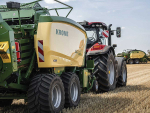
Recently revealed, Krone’s new Series Six, BiG Pack Plus and Pro balers are designed to use standardised components, interfaces, and control concepts, including pick-up, knotter systems and user interfaces.
Consuming around six years and more than 35,000 hours of physical and digital testing, the new sixth-generation Valtra T Series is being described as the most significant new release in the company’s history.
Strautmann has introduced a new Hay Edition auger for its Verti-Mix feed mixer wagons, aimed at operators using rations with larger proportions of hay or other long-fibre materials.
Twin rotor swathers have become the ‘go-to’ for forming swaths to feed hungry harvesters and balers, however, the design layout often means that crop located between the two rotors is not picked up, turned over or incorporated into the swath formed for subsequent harvesting.


Fonterra shareholders can begin voting on Tuesday 20 October in the 2026 Board of Directors’ election, a Co-operative Council election in one Ward, and seven Annual Meeting resolutions.
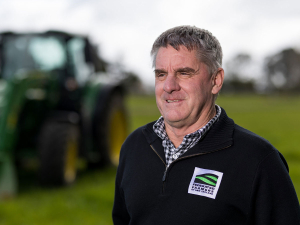
National’s pledge to introduce 19 new national standards shows the party is serious about getting Wellington out of farming, Federated Farmers says.
The National Party’s policies to make it easier to grow fresh vegetables, secure reliable water and energy and simplify farm planning are practical changes that will give growers the confidence to invest, according to Horticulture New Zealand (HortNZ).
Fonterra Co-operative Group chief financial officer Andrew Murray has resigned to take up a role outside the dairy giant.
A major move is about to get underway to improve the quality and viability of dairy beef and cattle in NZ.
Veterinarians say changes to the code of welfare for dairy cattle provides a positive foundation for improved cattle welfare across the country.


OPINION: It seems Canterbury processor Synlait is still in the doldrums.
OPINION: Get offside with New Zealand First leader Winston Peters at your own peril.




