
Pichon Adds SV10R and SV14 to SV Slurry Tanker Range
French manufacturer Pichon has expanded its SV slurry tanker range with the launch of two new models.




 increase font size
 A crust-free effluent pond allows hasslefree irrigation of nutrients to paddocks.
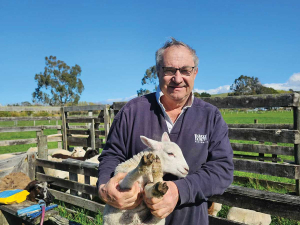
Otorohanga farmer Grant Mitchell milks 176 cows once-aday throughout the year, so good grass growth is crucial.
To keep the grass growing, Mitchell has been tapping into “free fertiliser” from his effluent pond for the past 10 years.
Effluent is sprayed onto 7ha of the farm at a time and within a week the cows can graze that area.
To make sure that the effluent is easily irrigated, Mitchell says he has been using the Impact effluent treatment from Bioworks, pouring five litres of the product into the pond every month.
Mitchell built the 1200 cubic metre effluent pond in 2009. The pond became anaerobic not long after he started using it and a thick crust formed on top.
“There was even grass growing on top of the crusted pond,” he told Dairy News.
Irrigating the crusty effluent wasn’t easy, he says. Cows were also delaying their moving to grazing paddocks sprayed with the crusting effluent. The odour from the pond was also becoming an issue.
“You couldn’t put cows onto an irrigated paddock until about three weeks after the cannon had been in the paddock,” he says.
Mitchell started looking for solutions, settling on Impact because it is formulated to speed up the pond’s natural oxidation process.
“The crust went away leaving just green water in the pond. We put them in paddocks now and the cows are there next week munching away.
“There’s no need for a stirrer now, there’s no crust and Impact does its own job. We are getting green, mixed effluent going on the grass and it’s all rich fertiliser.”
Mitchell says the bad smell has gone away.
“When I look at the pond now, it’s just full of green water. I can see bubbles coming up and I know the bacteria are doing their stuff under water.”
Making An Impact
Results of treatment:
French manufacturer Pichon has expanded its SV slurry tanker range with the launch of two new models.

Recently revealed, Krone’s new Series Six, BiG Pack Plus and Pro balers are designed to use standardised components, interfaces, and control concepts, including pick-up, knotter systems and user interfaces.
Consuming around six years and more than 35,000 hours of physical and digital testing, the new sixth-generation Valtra T Series is being described as the most significant new release in the company’s history.
Strautmann has introduced a new Hay Edition auger for its Verti-Mix feed mixer wagons, aimed at operators using rations with larger proportions of hay or other long-fibre materials.
Twin rotor swathers have become the ‘go-to’ for forming swaths to feed hungry harvesters and balers, however, the design layout often means that crop located between the two rotors is not picked up, turned over or incorporated into the swath formed for subsequent harvesting.


Decades piloting planes has ensured vet and farmer David Hayes is focused on safety. So, after a serious accident while welding on farm, he is sharing his experience so others can learn from it.

Canterbury milk processor, Synlait Milk has confirmed Leon Fung as its chief executive officer.
OPINION: Making it easier to collect rainwater and use it to grow crops and livestock is a no brainer.
As part of its Election 2026 coverage, Rural News asked political parties how they would help pull the arable sector out of the doldrums. Here's what they said:
Farmers are being encouraged to rethink how they manage waste on farm with the launch of ruralwastesorted.co.nz, a new website bringing together practical tips, real farmer experiences and resources.
New Zealand Winegrowers (NZW) is celebrating the India-New Zealand Free Trade Agreement (FTA) coming into force today, bringing New Zealand wine improved access to one of the world’s fastest-growing economies.


OPINION: It seems Canterbury processor Synlait is still in the doldrums.
OPINION: Get offside with New Zealand First leader Winston Peters at your own peril.




