Case IH Farmall C Upgrade: More power, weight & precision
The Case IH Farmall C, well known across New Zealand, has just seen an upgrade including a new look, increased weight and hydraulic power, and a cab overhaul.
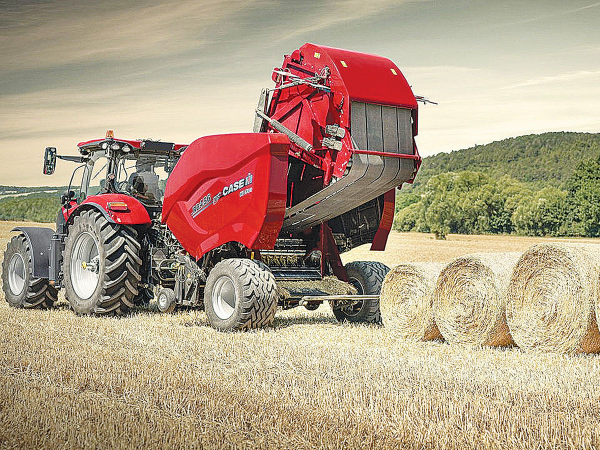
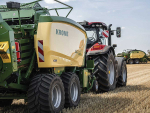
In May, Case IH released details of upgrades to the RB344, variable chamber baler and has now indicated multiple redesigns to the high-end RB456 and 466 HD-Pro models.
Designed to make high density bales in crops, including dry straw or wet silage, the company reports an extensive development and pre-production phase that saw machines producing more than 150,000 bales.
Aimed at farmers or contractors who make 10,000 bales a year or more, much of the development has centred around ensuring reliability and consistent bale shape. In the case of the former, machines have been fitted with heavy-duty components and fewer moving parts. Engineers have also enlarged and strengthened rolls, shafts and the rear door assembly, while also introducing a heavier duty gearbox and driveline.
Up front, an extra-wide diameter rotor is said to help prevent blockages, while a newly introduced, active drop floor means blockages can be cleared quickly. The bale chamber has also been redesigned to incorporate a revised belt path, said to deliver well-formed, dense bales that will stack efficiently.
The RB456 HD Pro makes 120cm-wide bales from 90cm to 165cm in diameter, while the RB466 HD Pro is also 120cm wide, but offers increased diameters from 90cm up to 190cm.
Each model offers a choice of three rotor options, including a basic feeding rotor, 13 or 25 knife chopping rotors. Bale size, number of net wraps and density can be easily set on the in-cab control panel.
New Zealand's diverse cheesemaking talent shone brightly last night as the New Zealand Specialist Cheesemakers Association (NZSCA) crowned the champions of the 2026 New Zealand Cheese Awards.
Tracing has indicated that the source of the first velvetleaf find of the 2025-26 crop season, in Auckland, was likely maize purchased in the Waikato region.
Fish & Game New Zealand has announced its election priorities in its Manifesto 2026.
With the forage maize harvest started in Northland and the Waikato, the Foundation for Arable Research (FAR) is telling growers of later crops, or those further south, to start checking their maize crop maturity about three weeks prior to when they think they will start silage harvesting.
Irrigation NZ is warning that the government's Resource Management Act (RMA) reform risks falling short of its objectives unless water use for food production and water storage infrastructure are clearly recognised in the goals at the top of the new system.
More than five million trays, or 18,000 tonnes, of Zespri’s RubyRed Kiwifruit will soon be available for consumers across 16 markets this season.
OPINION: The good news keeps getting better for NZ dairy farmers.
OPINION: With export of livestock by sea dead in the water, opponents of the Gene Technology Bill think they can…