Federated Farmers Backs Year 11 Agricultural Science
Federated Farmers is backing Feilding High School’s call to keep Agriculture and Horticultural Science as a standalone subject in Year 11.




 increase font size
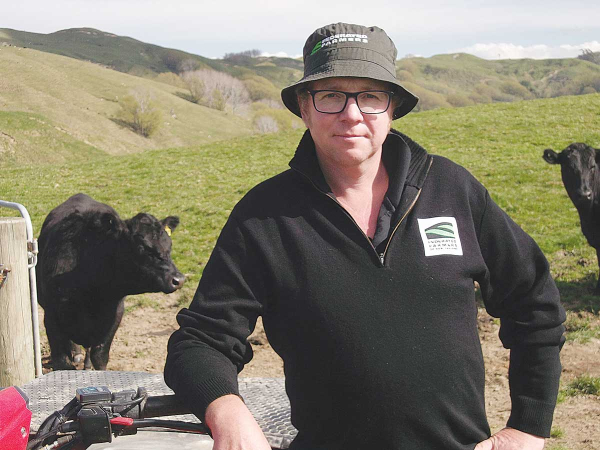 Toby Williams
Federated Farmers meat and wool chair, Toby Williams says what the Government has effectively signed up for is a decade more of planting pine trees on productive land because that’s the only way for our country to achieve such a steep reduction.
He says even by 2035, as half of New Zealand’s emissions are from agriculture, a target of 51-55% is still not feasible.
Williams says the only other option is to spend billions of dollars overseas to buy offshore credits, or plant pine trees, destroying our iconic and world-famous landscapes. He notes that last year, the Climate Commission suggested keeping an all-gases target and at least a 50% reduction, which would mean another 850,000 hectares of land converted to forestry.
“To paint a clear picture, that’s an area five times the size of our country’s treasured Molesworth Station. That would be devastating, forever changing the face of New Zealand,” he says.
Williams says there is a very real risk that we could become the great pine plantation of the South Pacific - hardly something to be proud of.
“The Government needs to be setting climate targets that are realistic and achievable,” he says.
Federated Farmers is backing Feilding High School’s call to keep Agriculture and Horticultural Science as a standalone subject in Year 11.
National’s pledge to introduce 19 new national standards shows the party is serious about getting Wellington out of farming, Federated Farmers says.
Mobile phone coverage and reliability are deteriorating in rural areas, and farming families are bearing the cost, according to a Federated Farmers survey.
Central Otago District Council (CODC) has voted against a plan to spread treated sewage sludge from Cromwell and Alexandra on farmland near Lauder, a decision Federated Farmers says reflects strong opposition from rural residents.
Federated Farmers has called on Central Otago District Council (CODC) to drop or vote down a plan to truck sludge from Alexandra and Cromwell to farmland near Lauder, warning it would compound an "outrageous" situation created by a separate council's decision weeks earlier.


Alliance is calling for final applications for its 2027 Graduate Programme, with applications closing on Sunday 25 October.
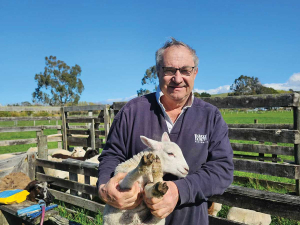
Decades piloting planes has ensured vet and farmer David Hayes is focused on safety. So, after a serious accident while welding on farm, he is sharing his experience so others can learn from it.
Canterbury milk processor, Synlait Milk has confirmed Leon Fung as its chief executive officer.
OPINION: Making it easier to collect rainwater and use it to grow crops and livestock is a no brainer.
As part of its Election 2026 coverage, Rural News asked political parties how they would help pull the arable sector out of the doldrums. Here's what they said:
Farmers are being encouraged to rethink how they manage waste on farm with the launch of ruralwastesorted.co.nz, a new website bringing together practical tips, real farmer experiences and resources.




OPINION: It seems Canterbury processor Synlait is still in the doldrums.
OPINION: Get offside with New Zealand First leader Winston Peters at your own peril.




