
Four Candidates Confirmed for Fonterra Board Election
Four candidates have been confirmed for two director positions on Fonterra’s board.




 increase font size
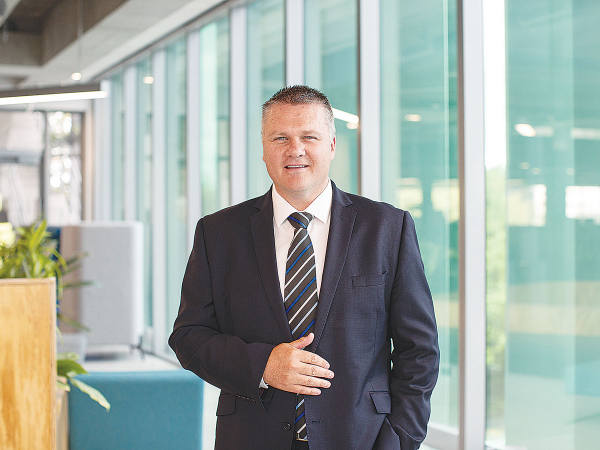 Fonterra chief executive Miles Hurrell says tankers will still turn up to collect milk from farms that may be infected by Covid.
A Covid outbreak on a supplier farm will not stop Fonterra from collecting milk, says chief executive Miles Hurrell.
He told Dairy News that milk collection is not up for discussion.
"We will pick up milk even if the farmer is affected by Covid," he says.
"Tankers will still turn up to collect milk - that's not up for discussion."
Fonterra has processes in place for such a situation. There will be no "human to human contact" on the farm, says Hurrell.
The right controls will need to be in place on the farm as well.
On vaccination, Hurrell says it's not mandatory for Fonterra staff or farmer suppliers and their workers.
However, the co-operative ran on-site vaccination clinics to boost uptake among staff.
Covid is seeping through the Auckland border into other parts of the North Island. Dairy farmers are preparing for more positive cases turning up on farms.
"It's only a matter of time before we get more positive cases of Covid-19 turning up on farm," says Federated Farmers dairy chair Chris Lewis.
"Distance from health and other facilities, workforce shortages and the need to continue to look after animals and crops raise all sorts of complications.
"As DHB medical officers will be making the decision on whether it's practicable for a farmer or key farm staff member to self-isolate on the farm, evidence of pre-planning and preparedness will be an important factor," Lewis says.
In a Federated Farmers-hosted webinar Southern DHB medical officer of health Dr Michael Butchard emphasised being double-jabbed was the "very best defence" if a farmer or key team member who tests positive sought to self-isolate on farm.
Vaccination rates of people on the farm would weigh heavily on MOHs as they made the "case by case" decisions on how and where isolation owuld happen if someone tested positive.
"The latest data out of the USA indicates if you're not vaccinated you're 11 times more likely to die from Covid-19 and 10 times more likely to be hospitalised," Butchard says.
The Ministry for Primary Industries has been working with the agri sector to ensure farmers are prepared.
The latest initiative is a checklist for farmers so that they can tick off preparation readiness in terms of personal wellbeing, and everything a neighbour or someone else coming onto the farm would need to know should key people have to go into MIQ or hospital - right down to the names of dogs and where their food is located.
The checklist is available on DairyNZ and Federated Farmers websites.
Four candidates have been confirmed for two director positions on Fonterra’s board.
A record farmgate milk price and strong global demand is laying the foundation for continued growth of organic dairy farming in New Zealand.
Waikato milk processor Tatua has again declared a record milk payout to farmer shareholders, leaving other processors in the dust.
Fonterra has unveiled its annual results for the 2026 financial year, posting $27 billion in revenue and close to $20 billion returned to New Zealand farmer owners and unit holders.
Fonterra Co-operative Group has confirmed the independently assessed candidates standing for election to its board in 2026.


A major move is about to get underway to improve the quality and viability of dairy beef and cattle in NZ.
Veterinarians say changes to the code of welfare for dairy cattle provides a positive foundation for improved cattle welfare across the country.
Today, 15 October, is the International Day of Rural Women, which recognises rural women’s contribution to farming, communities and the environment.
Global dairy giant Lactalis has integrated its Australian operations with the Mainland Dairy consumer business it acquired from Fonterra earlier this year.
After almost two decades of sharemilking, saving and building equity, Aaron and Marcia Flay this year realised their long-held dream of settling on their first dairy farm.
Good medium to long term prospects for NZ beef, especially in the US, has heighted the focus on various initiatives to capitalise on this situation.


OPINION: It seems Canterbury processor Synlait is still in the doldrums.
OPINION: Get offside with New Zealand First leader Winston Peters at your own peril.




