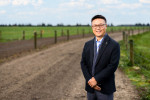
Leon Fung confirmed as Synlait CEO
Canterbury milk processor, Synlait Milk has confirmed Leon Fung as its chief executive officer.




 increase font size

SYNLAIT MILK is to spend $15 million on upgrading its special milks drier at Dunsandel to further tap the $15 billion a year demand for infant formula in China.
The upgrade, expected to finish early 2014, will make Synlait one of only two processors in the world to make lactoferrin spray dried powder. It will also allow dairy ingredients manufacturing to a pharmaceutical standard.
Lactoferrin is a protein that offers antibacterial protection and other health benefits. It is in demand globally for health foods including infant formula and adult nutritional powders. Synlait expects its production to reach 18 metric tonnes within four years of commissioning.
Chief executive John Penno says Synlait’s lactoferrin move results from its having eight customers for infant formula including YinQiao Xi’An (the largest dairy processor in north western China), Synlait’s cornerstone shareholder Bright Dairy and A2 Corporation, which will soon launch is own a2 infant formula in China.
“There is a global shortage of lactoferrin driven largely by the demand for infant formula. In China alone total sales of infant formula are worth US$15 billion plus a year and growing by 15% with the addition of 18-20 million new babies annually.”
Typically, lactoferrin from New Zealand and Australia is freeze dried and milled. This can result in particles difficult to dissolve, leaving residues when the mother mixes formula in the baby feeding bottle.
The market for lactoferrin has grown from 45,000kg in 2001 to 185,000kg in 2012 and is projected to grow to 262,000kg in 2017. Lactoferrin now fetches US$500-1000/kg.
“Lactoferrin will add to our range of specialised health and nutritional products, a category identified recently as one of the main contributors to the Government’s target of doubling the value of New Zealand’s export earnings by 2025. To reach that target New Zealand must make more from milk,” Penno says.
Canterbury milk processor, Synlait Milk has confirmed Leon Fung as its chief executive officer.
Waikato milk processor Tatua has again declared a record milk payout to farmer shareholders, leaving other processors in the dust.
Synlait has swung to second-half profit as operations stabilise, but the dairy processor still posted a $75.4m annual loss.
OPINION: It seems Canterbury processor Synlait is still in the doldrums.
Speculation of a possible joint move by Fonterra and a2 Milk to buy Synlait raises a much bigger strategic question, says agribusiness expert Dr Nic Lees.


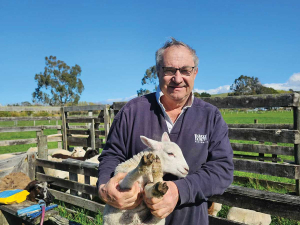
Decades piloting planes has ensured vet and farmer David Hayes is focused on safety. So, after a serious accident while welding on farm, he is sharing his experience so others can learn from it.
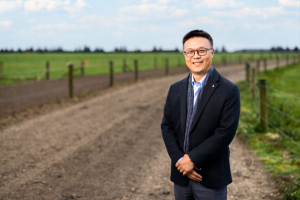
Canterbury milk processor, Synlait Milk has confirmed Leon Fung as its chief executive officer.
OPINION: Making it easier to collect rainwater and use it to grow crops and livestock is a no brainer.
As part of its Election 2026 coverage, Rural News asked political parties how they would help pull the arable sector out of the doldrums. Here's what they said:
Farmers are being encouraged to rethink how they manage waste on farm with the launch of ruralwastesorted.co.nz, a new website bringing together practical tips, real farmer experiences and resources.
New Zealand Winegrowers (NZW) is celebrating the India-New Zealand Free Trade Agreement (FTA) coming into force today, bringing New Zealand wine improved access to one of the world’s fastest-growing economies.



OPINION: It seems Canterbury processor Synlait is still in the doldrums.
OPINION: Get offside with New Zealand First leader Winston Peters at your own peril.




