
Four Candidates Confirmed for Fonterra Board Election
Four candidates have been confirmed for two director positions on Fonterra’s board.




 increase font size
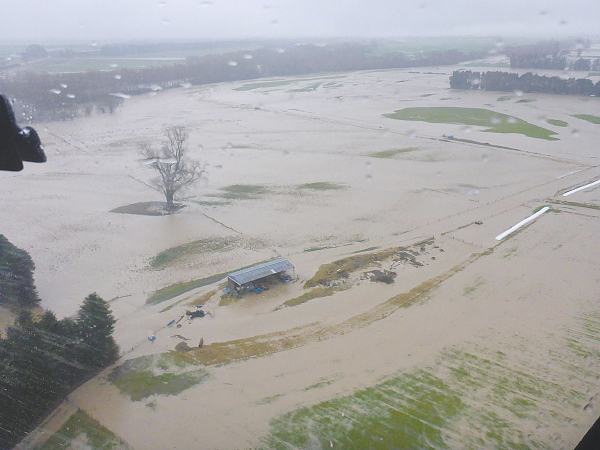 The floods caused serious issues for farmers who are still milking. Photo: ECan Media Team.
A number of farmers were forced to dump milk, says Farm Source regional head Charles Fergusson.
The feedback from Fonterra suppliers was that the flooding brought a "really tough" situation for some but others were surprised their farms fared as well as they did, he said.
Worst affected were farms along the Ashburton River.
"We had some challenges earlier on farms on North Canterbury as well, so we had farmers evacuated out of their houses up on Sunday night.
"There were a number of farms out there who we asked to dispose of milk. One of the reasons is that we just weren't happy sending tankers out in those conditions with uncertainty over roads and also the state of the tanker tracks."
Fonterra also had to briefly evacuate the Clandeboye factory when a local creek burst its banks.
Fergusson said a lot of farmers would have wanted to push the season further but they dried off early to beat the weather.
However, Fonterra had a couple of hundred suppliers still milking as well as 60 to 100 true winter milkers.
"I think we our transport team do an incredible job as long as they've got a route to factory so we are working quite closely with the authorities regarding roading to see if we are able to get around."
Four candidates have been confirmed for two director positions on Fonterra’s board.
A record farmgate milk price and strong global demand is laying the foundation for continued growth of organic dairy farming in New Zealand.
Waikato milk processor Tatua has again declared a record milk payout to farmer shareholders, leaving other processors in the dust.
Fonterra has unveiled its annual results for the 2026 financial year, posting $27 billion in revenue and close to $20 billion returned to New Zealand farmer owners and unit holders.
Fonterra Co-operative Group has confirmed the independently assessed candidates standing for election to its board in 2026.


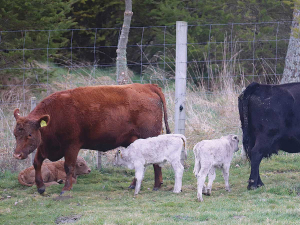
A major move is about to get underway to improve the quality and viability of dairy beef and cattle in NZ.
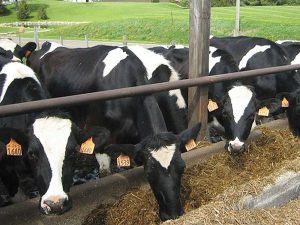
Veterinarians say changes to the code of welfare for dairy cattle provides a positive foundation for improved cattle welfare across the country.
Today, 15 October, is the International Day of Rural Women, which recognises rural women’s contribution to farming, communities and the environment.
Global dairy giant Lactalis has integrated its Australian operations with the Mainland Dairy consumer business it acquired from Fonterra earlier this year.
After almost two decades of sharemilking, saving and building equity, Aaron and Marcia Flay this year realised their long-held dream of settling on their first dairy farm.
Good medium to long term prospects for NZ beef, especially in the US, has heighted the focus on various initiatives to capitalise on this situation.


OPINION: It seems Canterbury processor Synlait is still in the doldrums.
OPINION: Get offside with New Zealand First leader Winston Peters at your own peril.




