That’s the message from Federated Farmers dairy section vice-chair Chris Lewis in the light of the latest video showing a new-born calf dragged along a paddock and calves being loaded into a truck.
Lewis says he’s been putting this message out to dairy farmers since last year, when video showing mistreatment of dairy calves was first made public. This resulted in a big shakeup in the wider dairy industry, with new regulations taking effect and others coming in over the next 12 months.
“Since then farmers have been paranoid about it and so has the industry because we don’t want to be caught out. Most people in the industry are frustrated by the release of the new footage and in particular by their colleagues not being up to speed,” he says.
Lewis says the video of the farmer dragging the calf is unacceptable.
“Most farmers I talk to just shake their heads and say ‘what is the guy doing?’ There is no logic to it. When I have to move a calf, I put my two arms underneath its belly and lift it. That’s the correct way of doing it. It’s just like lifting a baby or your kid, you cradle it and carry it. This is logical – after all the calves are just babies.”
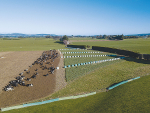
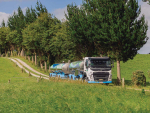
Lewis says he can’t say what is the right or wrong way to load calves onto a truck because he “hasn’t done it for a number of years”. It appears to be a hard job for workers, but next year this will change with new regulations requiring farmers to use a ramp so calves can be walked onto a truck.
“Two years ago I installed a ramp on my farm, well ahead of the regulations, to show some leadership in this area. We spent about $3000 dollars on this and it works well. The truck just backs up to the pen where the calves are and they are loaded on via the ramp which is easy for everyone including the calves,” he says.
Lewis is also urging farmers or their staff to be present when calves are loaded. They can help the truck driver and do a final check on the calves to see if they are fit to travel.
Despite all the publicity about how to handle calves, the new regulations and MPI’s monitoring of the situation, Lewis says that, like all industries the dairy industry will have its share of “bad apples”.