Farmers embrace online bidding
When the door slammed shut on New Zealand in March 2020 it also closed the gate to one of the viability fundamentals of the country’s livestock industry – stock auctions.




 increase font size
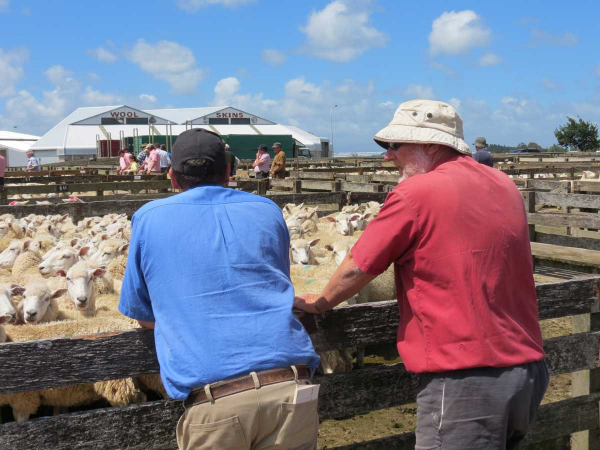 Livestock farmers will be able to get short term finance without visiting a bank.
Livestock farmers can now access short term finance without having to go to a bank.
Farmer-owned NZ Farmers Livestock says its short-term finance package is the bridge many livestock farmers need to maintain and grow the vibrancy and profitability of their businesses.
NZ Farmers Livestock financial services manager Simon Williams says short term finance had been part of the company’s offering to existing clients for many years. “However, we’ve now made the facility available to all livestock farmers – regardless of who they trade stock with,” he says.
The change in reach for the finance package is, according to Williams, a response to the increasing turbulent and regulatory environment farmers operate in.
“The bureaucracy that often accompanies bank finance simply isn’t as responsive, flexible or fast as farmers need to maintain viability in today’s environment.
“There’s none of that bureaucracy in our package.
“We know farming. On any day, we are on farm working with farmers to help them maximise and maintain their farm’s profit. More and more farmers have been approaching our agents saying they need a more flexible, easy and fast way to access short term finance – and we’ve now done that.”
NZ Farmers Livestock finance is available to all livestock farmers across New Zealand.
“The average application for finance tends to sit between $50,000 and $150,000 but we have provided facilities of much more than that where the need was justified,” he says.
“The big difference between us and the banks is the speed of processing. On average, once we’ve received a farmer’s latest financial accounts, we can process an application in a couple of days.
“That speed and flexibility is hugely important because it enables farmers, two days out from a sale, to apply for the money they need to buy additional stock, get approval, attend the sale and bring the stock home.
“Our interest rate is higher than the banks but when you look over four to eight months, the additional cost of interest per animal is only one additional bid at the yards, so if farmers look at it on a dollar per head basis, it’s a sound proposition.
“The term of the loan is generally 12 months with an option to renew for two years.”
When the door slammed shut on New Zealand in March 2020 it also closed the gate to one of the viability fundamentals of the country’s livestock industry – stock auctions.
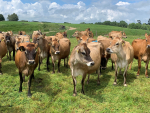
The sale of a line of elite, high BW, young Jersey cows and heifers is attracting interest from farmers across the country.
The sale of elite in-milk cows from New Zealand’s highest BW crossbred herd is attracting interest from dairy farmers across the country.
A record number of farmers took part in the largest service bull sale in New Zealand – many from the comfort of their own homes.


Federated Farmers has welcomed new rural policies released by ACT, saying they align closely with its own election priorities.

Rural Contractors NZ says proposed changes to land transport rules for agricultural vehicles are a welcome response by the Government to out of date regulations which have seen members hit with huge fines.
Alliance is calling for final applications for its 2027 Graduate Programme, with applications closing on Sunday 25 October.
Decades piloting planes has ensured vet and farmer David Hayes is focused on safety. So, after a serious accident while welding on farm, he is sharing his experience so others can learn from it.
Canterbury milk processor, Synlait Milk has confirmed Leon Fung as its chief executive officer.
OPINION: Making it easier to collect rainwater and use it to grow crops and livestock is a no brainer.



OPINION: It seems Canterbury processor Synlait is still in the doldrums.
OPINION: Get offside with New Zealand First leader Winston Peters at your own peril.




