LIC: Faster Bull Team Change Reflects Genetic Progress
In the past, a bull could sit comfortably in a breeding team for several years with little change, but today, that’s no longer the case.
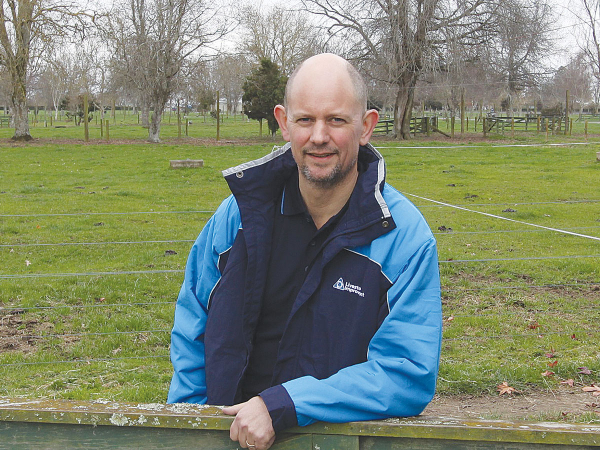
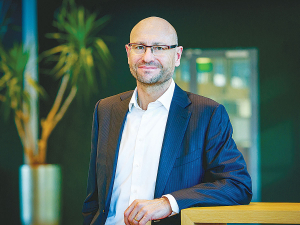
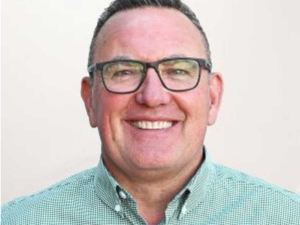
LIC chief executive Wayne McNee will leave the farmer-owned co-operative in November after eight years in the role.
LIC chair Murray King says McNee advised the board of his intention to stand down.
King says McNee has led the organisation through a period of significant growth and development across all areas of the business while delivering strong shareholder returns.
"Over the past year, Wayne and his leadership team led LIC through the challenges of Covid-19 and the co-op is on track to deliver record results for the fourth consecutive year."
McNee joined LIC after a stint as Ministry for Primary Industries director-general.
He is proud of what LIC has achieved over the past eight years.
"In particular the transformation of the business into a modern progressive co-operative, with significant improvements to the way LIC operates, major investment in digital capability and delivery, and working closely with the board to implement a share structure that is fit for purpose.
"I am proud to be leaving LIC in great shape for the future, which is critical given its role as the DNA of the New Zealand dairy sector. LIC is a unique agri-technology company which adds huge value to the New Zealand economy, and is increasingly playing a role helping farmers deal with the environmental challenges they face," McNee said.
King says the board will commence a search for a replacement immediately and expects a good talent pool of both internal and external candidates.
New Zealand dairy farmers are set to be the first in the world to receive access to a new digital physical milk pricing tool that enables them to fix the price for their physical milk.
State farmer Pāmu is opening its farm gates this summer in an effort to give the rural sector the opportunity to see how large-scale, multi-system farming is delivering productivity and profitability across New Zealand.
A five-year study has found that the cost of reducing emissions without technology may be significant and unsustainable for Northland dairy farmers.
DairyNZ says Waikato farmers need certainty on Plan Change 1, but they say that certainty must be matched with practical, workable rules and a clear transition that doesn't get ahead of the new resource management system currently under review.
While the Government has moved quickly to make commercial hauliers' lot easier during the current fuel crisis, they appear to be stuck in the creep box when it comes to the agricultural industry.
Waikato farmers have been told that the Government’s new planning system legislation and the region’s Plan Change 1 (PC1) “won’t mesh together very well”.
OPINION: No one messes around with Winston Peters, more so in a general election year.
OPINION: Staying on Federated Farmers, this week's annual general meeting in Auckland is shaping up to be an interesting one.