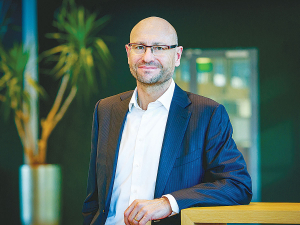
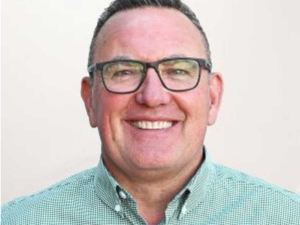
Keep the dialogue going. That's the message from DairyNZ chairman Jim van der Poel as the Government mulls over how to deal with agricultural emissions before the election.
Van der Poel says they haven't heard anything from government about a proposed fertiliser tax being passed by Parliament before the October election. But he concedes that time is running out to pas any of the He Waka Eke Noa (HWEN) legislation, given the election is only a few months away. He says the idea of a 'fert tax' is not something the industry has talked about and there is no framework developed around such a proposal.
"Pricing is just one aspect of HWEN," he told Dairy News.
He says HWEN includes a much broader range of initiatives, including farmers knowing their emission numbers and having guidelines around these to incentivise farmers to make changes to comply with government requirements. He says, whether HWEN is dead or not, everyone accepts NZ has a commitment internationally to reduce agricultural emissions.
"My message to government is that, in the spirit of the partnership, if we can't stand up HWEN and we believe there is a better way of doing that, we should continue to work together and see what that looks like.
"If you can work together on what that looks like, it's more likely to be enduring. If we start splitting things up it's going to be a mess," he says.
Van der Poel says dairy farmers see themselves as part of the solution; they know they must do their part for NZ to meet its commitments.
But he says it's logical that they want to know what they have to do. If there is a levy, they want to know that money contributes to useful research.
"Farmers take great pride in the fact they have good effluent systems in place, that they are managing their nutrients properly and have fenced off waterways. There are many initiatives taking place on farm and people will buy in what's needed, provided it is logical," he says.
But he says farmers will be less supportive if something that doesn't make sense is imposed on them.