Rural Mobile Coverage Worse After 3G Shutdown, Survey Finds
Mobile phone coverage and reliability are deteriorating in rural areas, and farming families are bearing the cost, according to a Federated Farmers survey.




 increase font size
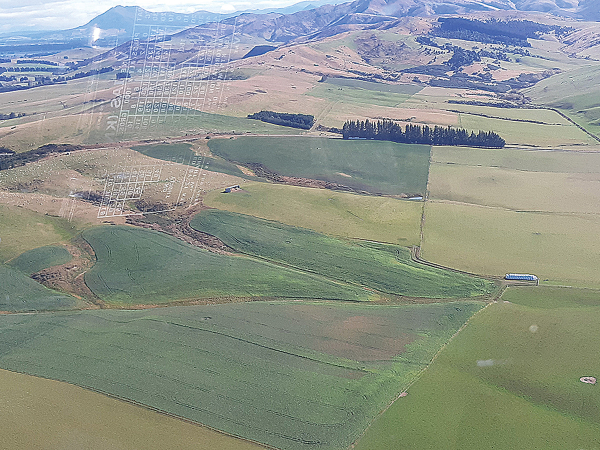 Inspection flights by Environment Southland have been labelled box-ticking exercise by farmers.
Southland farmers say forced rules enforcements around winter grazing is just a "box ticking exercise".
Dairy farmer Jason Herrick, Southland Federated Farmers winter grazing spokesperson and junior vice president, told Dairy News that most farmers in the region are well ahead of the regulations.
"Implementing the forced rules is still just a box ticking exercise that has absolutely no positive effects to outcomes because farmers are already doing it," Herrick says.
His comments came as Environment Southland announced its first aerial compliance inspection of the winter grazing season last month, identifying 21 potential sites of interest.
Herrick, who has been on previous aerial inspections, says he wasn't invited on the trip and puts this down to Federated Farmers taking that stance against inspections.
"We will however not defend poor practice but still encourage the regional council to inform industry bodies of problems as together we have a better chance of positive outcomes from issues found," he says.
Herrick says as far as he knows the council hasn't informed them of potential high-level breaches.
Environment Southland resource management manager Donna Ferguson says they are now following up on the sites, checking consents, and identifying if further action needed to be taken.
The flights were an opportunity to see if the good preparation observed during cultivation flights in late January was being followed by good practice, she says.
The flight was also the first aerial inspection since the National Environmental Standards for Freshwater rules around intensive winter grazing came into effect on May 1.
Staff looked for crops that had little or no buffering from waterways, were on steep slopes, and crops planted within critical source areas.
The sites identified for follow up were a mixture of crops being grazed on what appeared to be critical source areas, and some with slope issues.
Flights are planned for the start of each winter month and follow paths guided by known areas of concern and incidents reported, as well as locations noted during the cultivation flights.
"We will be undertaking further aerial and roadside monitoring and responding to complaints through the winter grazing period," says Ferguson.
"The roadside work is an extension this year to ensure we are checking more paddocks and reaching out to more farmers."
The council says anyone who sees something they're concerned about environmentally should get in touch with Environment Southland directly.
Farmers who are unable to undertake intensive winter grazing as a permitted activity, according to the new rules, are required to have either applied for a resource consent or deemed permitted activity. It's not too late to apply for a consent or deemed permitted activity if you need one.
Environment Southland consents manager Bruce Halligan says intensive winter grazing consents were granted for between five-to-eight-year terms. Deemed permitted activity notices will be valid until 1 November 2024.
Meanwhile the council says by June 20 there have been a total of 50 winter grazing applications received.
Mobile phone coverage and reliability are deteriorating in rural areas, and farming families are bearing the cost, according to a Federated Farmers survey.

Managing feed by sticking to a firm plan has helped the Southern Dairy Hub (SDH) demonstration farm survive an extremely wet winter, says the farm's acting general manager Greg Delaney.
Central Otago District Council (CODC) has voted against a plan to spread treated sewage sludge from Cromwell and Alexandra on farmland near Lauder, a decision Federated Farmers says reflects strong opposition from rural residents.
Federated Farmers has called on Central Otago District Council (CODC) to drop or vote down a plan to truck sludge from Alexandra and Cromwell to farmland near Lauder, warning it would compound an "outrageous" situation created by a separate council's decision weeks earlier.
Farmers across parts of Southland and South Otago are continuing to deal with difficult conditions after a prolonged run of wet weather, with pressure building around feed supply, stock management, pasture damage, farm infrastructure and everyday workloads.



Fonterra Co-operative Group chief financial officer Andrew Murray has resigned to take up a role outside the dairy giant.
A major move is about to get underway to improve the quality and viability of dairy beef and cattle in NZ.
Veterinarians say changes to the code of welfare for dairy cattle provides a positive foundation for improved cattle welfare across the country.
Today, 15 October, is the International Day of Rural Women, which recognises rural women’s contribution to farming, communities and the environment.
Global dairy giant Lactalis has integrated its Australian operations with the Mainland Dairy consumer business it acquired from Fonterra earlier this year.
High country stations, mixed sheep and beef farms, Māori-owned farms, corporates and family operations are among the nine commercial farms taking part in the Livestock Innovation Farming Transformation programme, known as LIFT.




OPINION: It seems Canterbury processor Synlait is still in the doldrums.
OPINION: Get offside with New Zealand First leader Winston Peters at your own peril.




