Milk Powder Prices Prop Up Farmgate Milk Price
Milk powder prices are keeping farmgate prices up, helping processors offset the dip in milk fat prices.




 increase font size
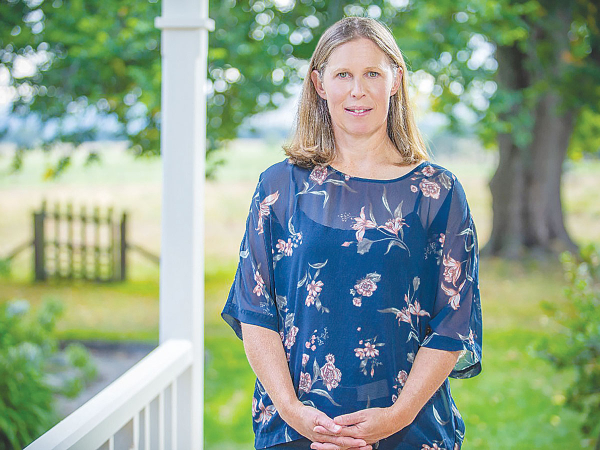 ANZ agri economist Susan Kilsby.
When dairy prices are down, it's normally linked to oversupply of products but global milk supply isn't the problem this time.
ANZ agri economist Susan Kilsby says global milk supplies have been growing at a very modest pace over the past 12 months, so additional milk has not been the catalyst for the weaker prices.
"Looking forward, global milk supplies are likely to tighten further as the low milk prices result in less feed inputs, particularly in countries where cows are housed and therefore feed is their major operating cost.
"There are already anecdotal reports of smaller farms going out of business, particularly in regions where the cost of producing milk is very high, such as China.
"Therefore, over the next 12 months we could actually see a fall in global milk supplies," Kilsby says.
New Zealand's milk output is generally trending lower.
There will continue to be significant seasonal variations, given pasture production is largely determined by the weather, Kilsby notes.
"El Nino is forecast to occur this year, which could deliver a long, hot summer. That would curb dairy production, particularly in non-irrigated regions," she says.
Milk powder prices are keeping farmgate prices up, helping processors offset the dip in milk fat prices.
Case IH has unveiled its redesigned next generation Puma Series tractors, said to offer improvements in connectivity, operator comfort, fuel efficiency and drivability.
Cameron Reed lives between two worlds.
A milk glut around the world shows no sign of easing, putting downward pressure on farmgate milk prices for the next few months.
The new dairy season is kicking off with plenty of risks to the forecast farmgate price, both upside and downside, says ANZ agricultural economist Matt Dilly.


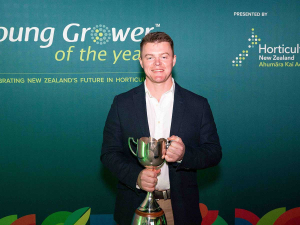
The potato industry is celebrating the success of two rising stars - James Blair, the 2026 Young Grower of the Year and runner-up and innovation award winner, Amber Davy.
Twenty-eight emerging leaders from across the horticulture sector spent two days last month learning valuable skills and connecting with industry experts.
There are five entrants in this year’s Young Horticulturist of the Year, competing in a series of technical, practical, business and leadership challenges.
A seasoned horticulturist has been appointed to deliver the Apple Action Plan, a key initiative of the India-New Zealand Free Trade Agreement.
New Zealand's citrus growers have been told to compete on the value built into their fruit rather than the volume they grow.
Hawke's Bay fruit growers are being reminded of the need to prepare for whatever the El Niño weather system may bring in the coming months.
OPINION: It seems Canterbury processor Synlait is still in the doldrums.
OPINION: Get offside with New Zealand First leader Winston Peters at your own peril.




