Ah Tatua, You've Done It Again!
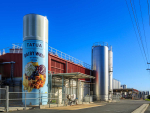
Waikato milk processor Tatua has again declared a record milk payout to farmer shareholders, leaving other processors in the dust.




 increase font size
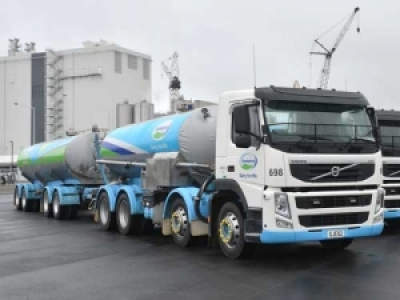 Fonterra's profit announcement will be small consolation for dairy farmers facing an extended period of low milk returns, says Labour's Primary Industry spokesperson Damien O'Connor.
Fonterra's profit announcement will be small consolation for dairy farmers facing an extended period of low milk returns.
So says Labour's Primary Industry spokesperson Damien O'Connor.
"The capital restructure of Fonterra which established Trading Among Farmers created an inevitable tension between the milk price and dividend payout," says O'Connor.
Outside investors have been demanding a better return on their unit investments, he says.
"While analysts and investors may praise the outcome, farmers are waking up to the long term consequences of the new structure in tight times.
"Most will still be entitled to the dividend stream from their co-operative shares but the pressure on many to sell the shares and keep their farm viable will lead to larger differentials over time in returns to suppliers of milk to Fonterra."
Increasing the value of the dividend is also unlikely to be of benefit to the nearly 4000 sharemilkers, who will also miss out on the payment, says O'Connor.
"Moving more product into value added income streams should be increasingly beneficial for the company but should not come at the expense of lower milk payments to supplying shareholders.
"Milk production for Fonterra was down 4% last year. There's concern that over time Fonterra will face a supply risk and struggle to fill the huge processing facilities it has built. If growth in milk production coincides with ongoing competitive foreign investment in farms and processing plants, the dairy industry will end up in an unprofitable meat industry conundrum."
O'Connor says the half year results may be hailed as a success by Fonterra but many dairy farmers will struggle to share the celebration.
Waikato milk processor Tatua has again declared a record milk payout to farmer shareholders, leaving other processors in the dust.
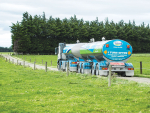
Fonterra has unveiled its annual results for the 2026 financial year, posting $27 billion in revenue and close to $20 billion returned to New Zealand farmer owners and unit holders.
Fonterra Co-operative Group has confirmed the independently assessed candidates standing for election to its board in 2026.
Fonterra has revised its Farmgate Milk Price forecast for the 2026/27 season, lifting the midpoint and narrowing the range on the back of improving global dairy commodity prices.
Outgoing Fonterra Co-operative Council chair John Stevenson says that it has been a privilege to represent the co-op's farmer shareholders.



The Minister for Rural Communities, Mark Patterson, says there's a massive infrastructure deficit in rural areas.
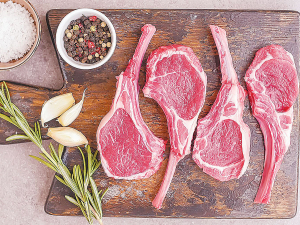
New Zealand's red meat and fifth-quarter exports reached $867 million in August, up 23% on the same month last year, as stronger returns lifted earnings across all major markets.
State farmer Pāmu is bracing for a $30 million hit from soaring farm input costs this financial year.
Flat pricing in the face of significant increases in costs is the greatest problem facing the arable sector, says Foundation for Arable Research (FAR) chief executive Dr Scott Champion.
Entries opened on Monday, 5 October 2026 for the 2027 New Zealand Dairy Industry Awards (NZDIA), which organisers describe as the nation's biggest celebration of excellence in the dairy sector.
Waikato milk processor Tatua has again declared a record milk payout to farmer shareholders, leaving other processors in the dust.
OPINION: It seems Canterbury processor Synlait is still in the doldrums.
OPINION: Get offside with New Zealand First leader Winston Peters at your own peril.