Fonterra Elections 2026: Voting Opens Tuesday 20 October
Fonterra shareholders can begin voting on Tuesday 20 October in the 2026 Board of Directors’ election, a Co-operative Council election in one Ward, and seven Annual Meeting resolutions.




 increase font size
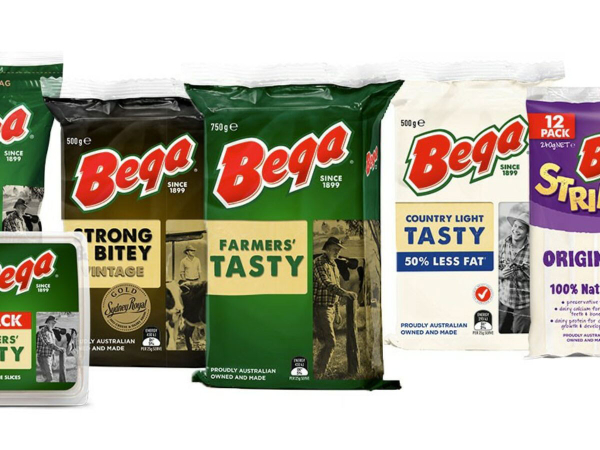 Fonterra and Australian-listed dairy processor Bega Cheese have resolved their licencing dispute.
The sale price of Fonterra’s global consumer and associated businesses to the world’s largest dairy company Lactalis has risen to $4.22 billion.
This follows Fonterra and Australian listed dairy processor Bega Cheese resolving a dispute related to Bega licences.
Last week Fonterra announced the sale of its global consumer business (excluding Greater China) and consumer brands; the integrated foodservice and ingredients businesses in Oceania and Sri Lanka; and the Middle East and Africa Foodservice business to Lactalis for $3.845 billion.
The co-op foreshadowed that there was potential for a further $375 million increase from the inclusion of the Bega licences held by Fonterra’s Australian business.
This morning Fonterra informed the NZ Stock Exchange that the dispute has been resolved.
“Bega agrees that the structure of the sale to Lactalis of Fonterra’s global Consumer and associated businesses does not constitute a change of control under the Bega licences,” Fonterra says.
“As a result, the Bega licences held by Fonterra’s Australian business will be included in the divestment. As previously announced, Lactalis will pay Fonterra $375 million for the Bega licences in addition to the $3.845 billion base enterprise value, bringing the total proceeds for the sale of the Consumer and associated businesses to $4.22 billion. Fonterra has agreed to pay Bega’s legal costs to resolve the dispute.”
The sale is subject to certain customary financial adjustments and conditions including approval by farmer shareholders, separating the businesses being sold from Fonterra, and receipt of certain final regulatory approvals.
Fonterra’s farmer shareholders are in for a $3.2b windfall – the co-op is targeting a tax-free capital return of $2/share, which is approximately $3.2 billion, following completion of the sale.
As part of the sale agreement, Fonterra will continue to supply milk and other products to the divested businesses, meaning New Zealand farmers’ milk will still be found in iconic dairy brands including Anchor and Mainland.
Fonterra shareholders can begin voting on Tuesday 20 October in the 2026 Board of Directors’ election, a Co-operative Council election in one Ward, and seven Annual Meeting resolutions.

Fonterra Co-operative Group chief financial officer Andrew Murray has resigned to take up a role outside the dairy giant.
Global dairy giant Lactalis has integrated its Australian operations with the Mainland Dairy consumer business it acquired from Fonterra earlier this year.
Four candidates have been confirmed for two director positions on Fonterra’s board.
A record farmgate milk price and strong global demand is laying the foundation for continued growth of organic dairy farming in New Zealand.


Dairy processors are ready to further boost New Zealand’s export earnings but want the incoming government to match their ambition with good policy.
Massey University is best placed to solve the “problems” facing the dairy industry, says vice chancellor, Pierre Venter.
Synlait's longest serving employee – a man who joined the Canterbury-based milk processor even before it began processing milk – is now its newest executive.
A dairy industry leader believes eradicating the common and costly disease, Bovine Viral Diarrhoea (BVD) is within reach.
A farmgate milk price of $10/kgMS this season is firming up as milk powder prices soar and the New Zealand dollar weakens.
Federated Farmers has welcomed new rural policies released by ACT, saying they align closely with its own election priorities.

OPINION: It seems Canterbury processor Synlait is still in the doldrums.
OPINION: Get offside with New Zealand First leader Winston Peters at your own peril.




