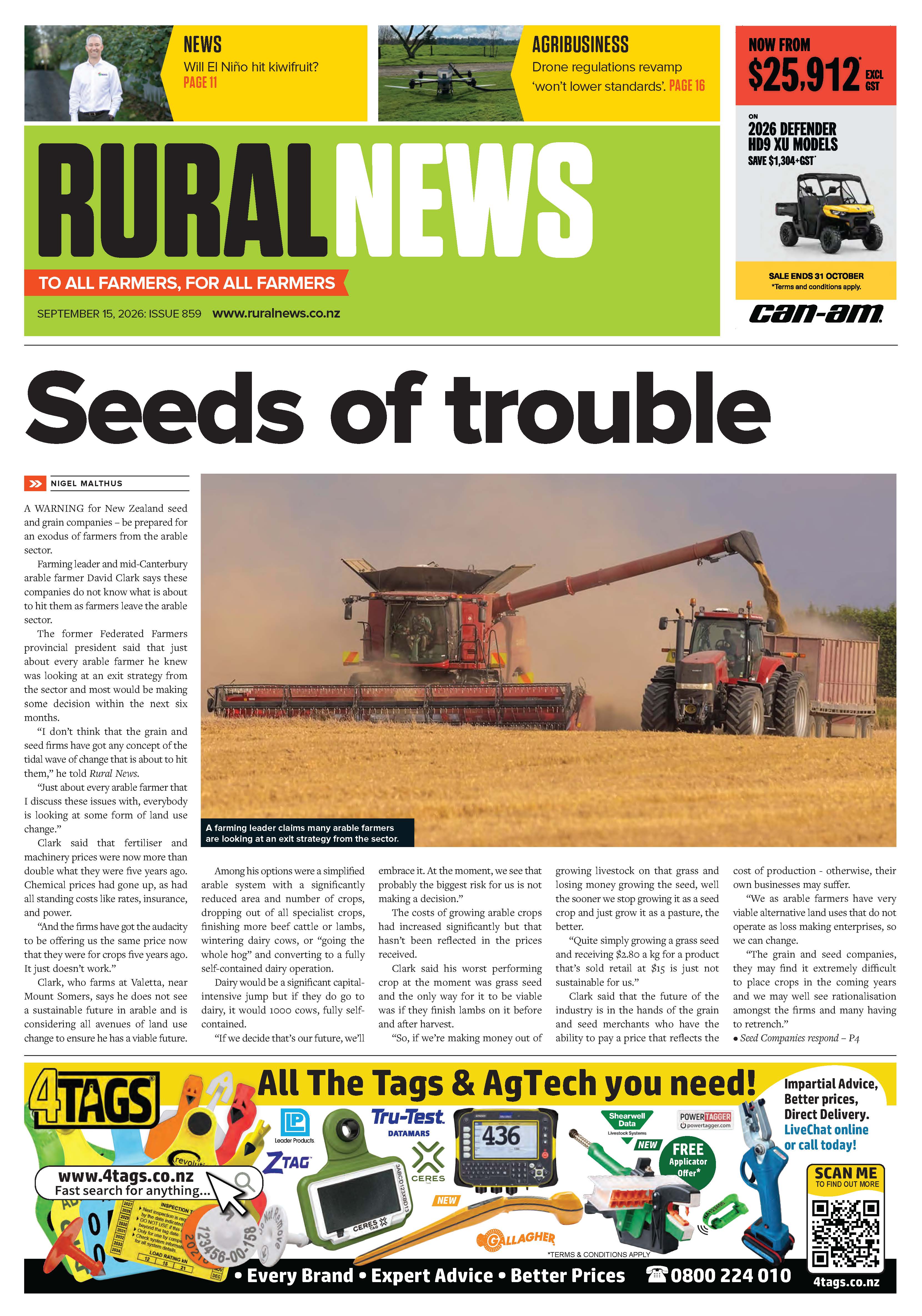
Ah Tatua, You've Done It Again!
Waikato milk processor Tatua has again declared a record milk payout to farmer shareholders, leaving other processors in the dust.




 increase font size
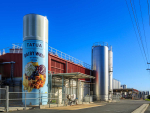
 Photo: Fonterra on Twitter.
Flood-affected farmers are being reminded to reach out for help if they need it.
As the flood waters begin to recede, only now are the full effects of the damage able to be identified on the West Coast and around the Rangitata catchment.
DairyNZ South Island hub lead Tony Finch says the ferociousness of the recent rain took many farmers by surprise and, a few days on, some farms are still working with intermittent power and closed roads affecting milk collection. Approximately 22 farms are affected in the Rangitata and another 40 farms on the West Coast.
“As the flood waters begin to disappear, the full extent of the damage and the clean-up will be seen,” said Finch.
“Some farmers will be thinking about milk that cannot be collected. Every situation is different, and we recommend farmers contact their supply company and local council for advice on the best way to manage uncollected milk. Also talk to your DairyNZ regional team for advice on farm system support.
“It’s worth taking the time to look ahead by creating a feed plan. Assess current feed resources and cow condition, and damage to infrastructure. Damaged, wet tracks can create issues with lameness, so contact your local Healthy Hoof provider, they are trained to help with this problem," said Finch.
“There is also the potential for more rain in the coming week, so we encourage farmers to plan for that by looking at how more rain could add pressure to their system – are the paddocks likely to reflood? Where should the cows be kept? What will you do if milk collection is still cut-off? Planning ahead can support good decision-making at the time.
“Farmers are a pretty resilient bunch and very solutions-focused. Even when they are isolated geographically, there are many people, organisations and information available to support – they are not alone.”
The impacted South Island farms are currently affected by damaged infrastructure, rivers cutting new paths through farmland and silt accumulation across hectares of land. This is compounded in some areas by bridges and roads out of action affecting milk collection.
DairyNZ has flood management information on its website: www.dairynz.co.nz
Waikato milk processor Tatua has again declared a record milk payout to farmer shareholders, leaving other processors in the dust.
Fonterra has unveiled its annual results for the 2026 financial year, posting $27 billion in revenue and close to $20 billion returned to New Zealand farmer owners and unit holders.
The first major update to the Dairy Cattle Code of Welfare in more than a decade has been released, marking what DairyNZ describes as an important step in ensuring animal welfare standards continue to evolve alongside scientific evidence and on-farm realities.
Fonterra Co-operative Group has confirmed the independently assessed candidates standing for election to its board in 2026.
Fonterra has revised its Farmgate Milk Price forecast for the 2026/27 season, lifting the midpoint and narrowing the range on the back of improving global dairy commodity prices.


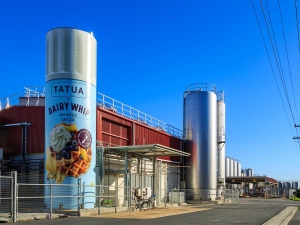
Waikato milk processor Tatua has again declared a record milk payout to farmer shareholders, leaving other processors in the dust.

A Labour-led Government won’t be bringing back the controversial freshwater rules of 2020.
National’s much-touted free trade deal with India featured in the Rural Issues Debate at Mystery Creek, Hamilton on Wednesday night.
New Zealand's 2026-27 freshwater fishing season has opened, with anglers encouraged to head to rivers and lakes over the coming days as conditions look favourable across much of the country.
Central Otago District Council (CODC) has voted against a plan to spread treated sewage sludge from Cromwell and Alexandra on farmland near Lauder, a decision Federated Farmers says reflects strong opposition from rural residents.
Pāmu has released its FY26 Integrated Annual Report, reporting a Net Operating Profit of $113 million, more than double the $49 million recorded in FY25.
OPINION: It seems Canterbury processor Synlait is still in the doldrums.
OPINION: Get offside with New Zealand First leader Winston Peters at your own peril.