A hypothesis in a major dairy research programme that bulls genetically proven to be low methane producers could pass this trait onto their lactating daughters has been proven to be incorrect.
This was revealed by Dr Richard Spelman, the chief scientist at LIC, speaking at the recent Agricultural Climate Change conference in Wellington - an event which attracted some of the world's leading scientists and policymakers in the field of climate change.
How the Dairy Methane Study Was Conducted
The programme began five years ago when LIC along with CRV and the Ag Emissions Centre set about identifying low methane bulls.
The theory was that this trait could be passed on to their daughters, which could prove to be a major breakthrough.
The aim of the trial, says Spelman, was to produce a cow with low amounts of gross methane emissions relative to the kilograms of dry matter it ate.
Two groups of sires were selected - those with low methane emission and that those with high emissions - and they were mated to generate about 400 heifers.
"Of their progeny about 200 females were found to be low methane emitting and the other half high emitters. The final test was to see if these low emission traits remained when the cows were lactating," he says.
Lactation Stage Reveals Key Limitation
Spelman says when they initially measured these animals at 10-12 months of age, the traits of low emissions clearly showed up and that was very encouraging.
But the final test was to see if these traits still existed when the cows started to lactate.
He says the test was very expensive - about $4,000-5,000 per animal - and complex to measure.
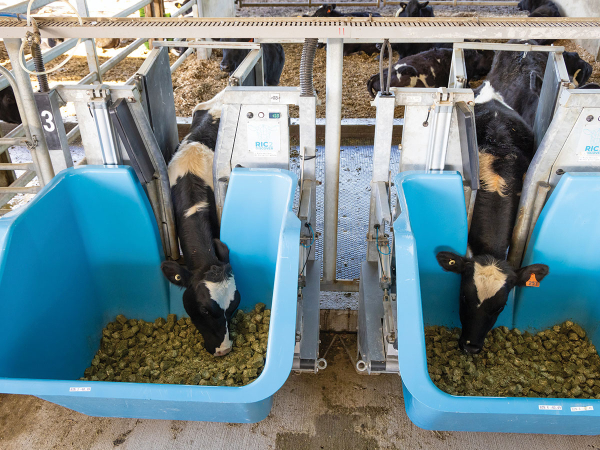
All the cows were housed in a barn because that is the only way to accurately measure feed intake relative to the emissions produced, he says.
The cows were fed silage and some grain. At the same time, the cows' methane emissions were measured in a machine where the animals were attracted to visit up to six times per day through feed being placed within it.
 |
|---|
|
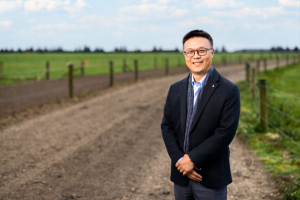
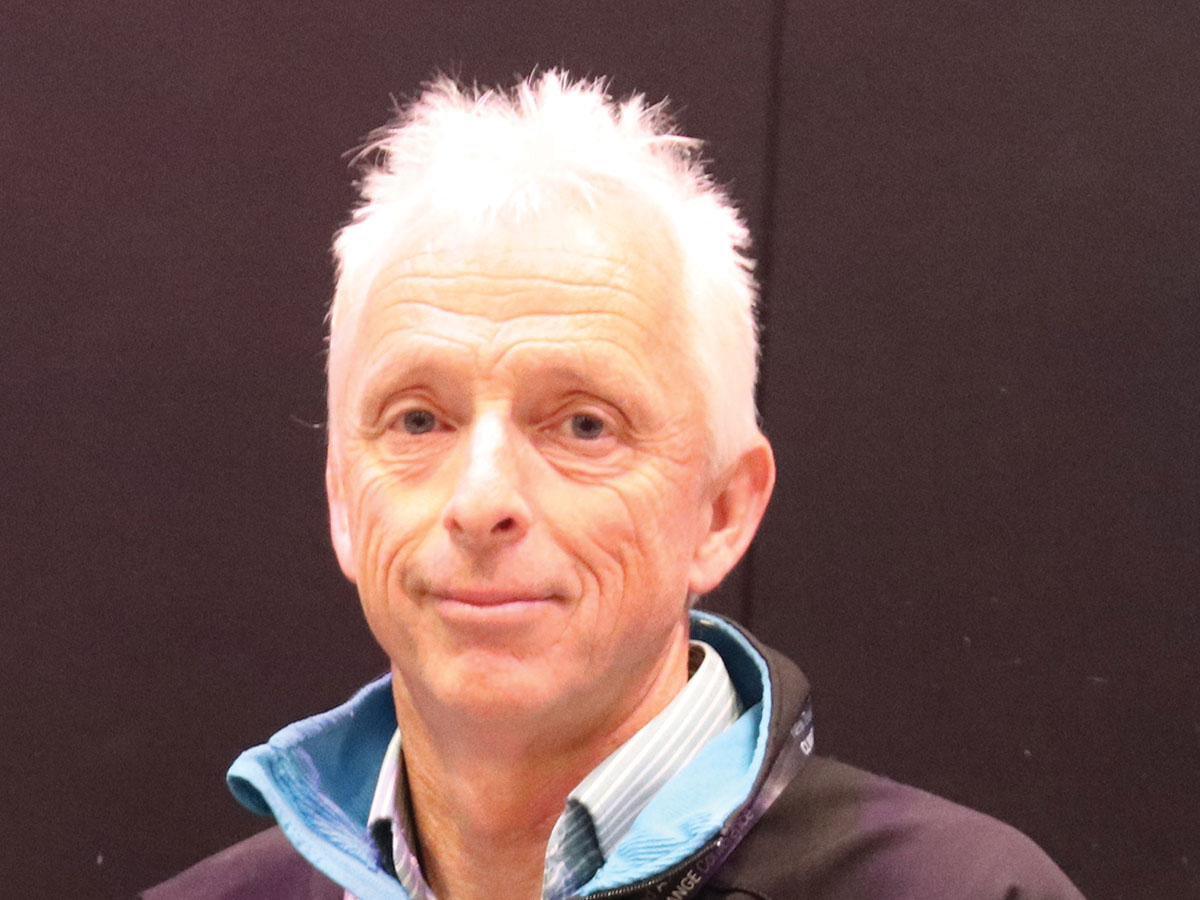
LIC chief scientist Richard Spelman.
|
"To measure feed intake, you need to have animals inside and for us that is a key thing because if they were on pasture, you could find animals that produced less methane but that may be because they didn't eat much," he says.
For the science team this was the crunch test because if the hypothesis was proved, it would speed up the process of producing low methane emitting cows which would have a significant benefit to farmers and the country as a whole.
Sadly, Spelman says, this wasn't to be.
"From our work it doesn't appear that the trait we measured in young bulls is the same trait when you measure it in a lactating cow.
"The traits in the cows is obviously quite physiologically different to those in the bulls," he says.
What Now?
While all those involved in this research programme are disappointed, they are committed to doing further research to find out why the low emission trait in a sire is not expressed in a lactating cow.
Dr Richard Spelman says it's widely accepted that about 20% of the emissions in a lactating cow are influenced by genetics.
He hopes the work can continue but points out that the present trial was relatively small, although statistically valid.
He says in future the goal will be to measure thousands more animals in a bid to develop DNA-based tools to identify the low emitting cows and sires.
He says they need to build up a large data set so that at some point they can confidently go to farmers and sell the sires that will produce low emitting daughters.
"What all this proves is that genetics is a long game and now maybe a longer game than we thought," says Spelman.