Biozest Says It Cuts Emissions, Needs Trial Funding
With some farmers opposing a government-industry partnership set up to develop methane reducing products, one NZ company claims that it already has a product on the market.




 increase font size
 Nathan Balasingham
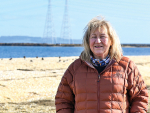
With New Zealand’s greenhouse gas emissions in the spotlight, Auckland scientist Nathan Balasingham says there’s a better way to tackle the problem than shrinking cow numbers or fertiliser usage.
A Dutch environmental group claims New Zealand has broken its climate change promises in the free trade agreement with the EU and is lodging the first complaint of its kind through the European Commission.
The group, Both ENDS, is using the complaints mechanism known as Single Entry Point and the most extreme consequences could be NZ losing access to the lucrative European market.
While the group is seeking compliance rather than the suspension of trade benefits, its actions have drawn fierce criticism from the Government coalition partners.
But Balasingham says that rather than treating European climate scrutiny under the EU trade agreement as a regulatory threat, New Zealand has an immediate opportunity to turn it into a $15.8 billion pastoral export advantage—without taxes, herd culls, or farm regulation.
Methane and urinary nitrogen are not merely environmental liabilities, they represent lost protein, dietary energy, and farmer profit, says Balasingham.
He claims his product, Biozest operates by optimising rumen metabolic efficiency, enabling livestock to convert more pasture protein into high value milk and meat solids rather than excess urinary urea and methane.
“What makes this biological approach unique is that farm gate profitability and environmental stewardship stem from the exact same underlying process—requiring no capital expenditure, no herd culls, and no changes to farm infrastructure,” he told Rural News.
His company has collated field trial data, peer-reviewed science, and economic modelling into a master blueprint titled ‘A Leadership Proposition for New Zealand’s Pastoral Future’.
It states that scaling this technology across NZ’s pasture network offers the potential to deliver additional $15.8b pastoral export value and reduce nitrate leaching and biological emissions intensity directly at the source.
The Green Party is also targeting the dairy sector, promising to force farmers to reduce synthetic N usage if elected. The Government is accusing the Greens of supporting the complaint filed with the European Commission.
But Balasingham says the science exists, the lead farms are actively operating, and the macroeconomic modelling is robust.
“Our focus is squarely on increasing productivity while simultaneously addressing environmental concerns, helping farmers deliver on international trade expectations,” he says.
“Proven New Zealand-made products like Biozest help us show overseas markets, particularly Europe, that our farming stands up to scrutiny. That protects farmers’ access to valuable export markets and gives them a practical tool that earns its keep on the farm.”
With some farmers opposing a government-industry partnership set up to develop methane reducing products, one NZ company claims that it already has a product on the market.
Synlait's longest serving employee – a man who joined the Canterbury-based milk processor even before it began processing milk – is now its newest executive.
I am often asked by industry people, what are the options for removing a grapevine without producing a phytosanitary problem? Can it be done sustainably? What will it cost me?
Pāmu has released its FY26 Integrated Annual Report, reporting a Net Operating Profit of $113 million, more than double the $49 million recorded in FY25.
Environment Minister Nicola Grigg has announced details of a new rural plastics recycling scheme.
The global dairy industry is fighting back against alternative proteins masquerading as dairy products.
Fonterra farmers are happy to see the board tackle the issue of shares from former milk suppliers.
New Fonterra Co-operative Council chair Greg Collins says they will continue to ask questions and encourage suppliers to connect with their co-operative.
Milk powders are continuing their merry run on the Global Dairy Trade (GDT) platform, firming up a $10-plus milk price for this season.
This year's Rural Medical Immersion Programme (RMIP) students have finished their placement year in South Taranaki, and all three are staying in Taranaki for their next placement.
Groundswell is welcoming the resignation of Rob Hewett as Farmlands chair, saying the agribusiness leader has made the right call.


OPINION: The same mainstream media muppets that brought you Jacindamania in 2017 have been flat out pimping for the Opportunities…
OPINION: Your old mate reckons the atrocious way farmers in the UK are treated by their lords and masters in…