Farmers Miss Out on Fuel Excise Refunds, Says Farm Focus
Too many farmers put reclaiming excise duty on petrol into the "too-hard" basket, says farm accounting software provider, Farm Focus.




 increase font size
 Coral Phillips.
Recently the Inland Revenue Department released the national average market price (herd scheme value) for livestock to be used when preparing 2016 annual financial statements.
Dairy cow values have dropped substantially from 2015. On the other hand, other livestock types including dairy bulls, beef cows, beef bulls, sheep, pigs, milking goats and deer have increased from last year.
In the last three years, from 2014 to 2016, the herd scheme value for dairy cows has fallen from $1963 to $1655 to $1356.
In fact, the herd scheme value of a dairy cow is now only $83 more than for a beef cow. In 2012 the value of a beef cow was $1025 versus $2155 for a Friesian cow. This significant trend downward affects dairy farmers as their equity in livestock drops, and there are tax consequences and cashflow implications.
In a continuing status quo operation, if livestock is already valued on the herd scheme basis there will be no tax consequences following the decrease.
Dairy farmers with stock valued on national standard cost (NSC) may have to make big decisions regarding the possibility of changing valuation methods. If the NSC value is close to the current herd scheme value, this could be a good time to change because the tax implications will be minimal. Livestock can be transferred from NSC to herd scheme at any time as long as IRD is notified of the change. As the reverse is no longer possible, if you were thinking of changing valuation methods the strategy must be well thought out for the long term.
For farmers ceasing ownership of livestock there could be significant tax implications exaggerated by the large decrease in values this year. Also very important is whether the farmer retains any livestock at all, because this could influence which years herd scheme values are used in the tax calculation at disposal.
Also, if you are thinking of selling the herd in the next few years this could be a good time to switch to the herd scheme.
Potentially, values will have increased by then and even if the change now results in a small amount of taxable profit, this is likely to be offset by 2016 operating losses, as well as resulting in less taxable profit at the time of sale.
This is a similar scenario to last year, but will the values drop any further? No one will know whether we have seen the bottom of the trough until we are climbing out the other side. However, we have until March 31, 2017 to make the decision -- the deadline for filing 2016 tax returns.
The final 2016 provisional tax payment for May balance date farmers is June 28. As 2016 has brought a drop in income for most dairy farmers, a review is needed before then of the financial situation.
If tax is paid according to what the IRD is expecting it is likely that it will have been overpaid. At CooperAitken, the livestock valuation method will be considered as part of this review.
Every farmer's situation is different, and this is a complex area. Ensure you get the best financial advice available or the consequences could be substantial.
• Coral Phillips is an Associate at CooperAitken Ltd Accountants, Morrinsville, Matamata and Thames, email This email address is being protected from spambots. You need JavaScript enabled to view it. .
Too many farmers put reclaiming excise duty on petrol into the "too-hard" basket, says farm accounting software provider, Farm Focus.

Inland Revenue (IRD) is not one for acknowledging the holiday season.
Full credit to the Inland Revenue Department for telling people to look after themselves and their families first and foremost, rather than worrying about not meeting their tax obligations.
At every interview for a farm position, a key question for an applicant is, "How much rostered time off do I get?" Your answer can influence the job's appeal.
Inland Revenue says it’s monitoring the drought and looking at the financial situation of farmers, with a view to seeing how they can best help them through the dry.



The Minister for Rural Communities, Mark Patterson, says there's a massive infrastructure deficit in rural areas.
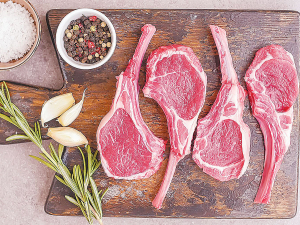
New Zealand's red meat and fifth-quarter exports reached $867 million in August, up 23% on the same month last year, as stronger returns lifted earnings across all major markets.
State farmer Pāmu is bracing for a $30 million hit from soaring farm input costs this financial year.
Flat pricing in the face of significant increases in costs is the greatest problem facing the arable sector, says Foundation for Arable Research (FAR) chief executive Dr Scott Champion.
Entries opened on Monday, 5 October 2026 for the 2027 New Zealand Dairy Industry Awards (NZDIA), which organisers describe as the nation's biggest celebration of excellence in the dairy sector.
Waikato milk processor Tatua has again declared a record milk payout to farmer shareholders, leaving other processors in the dust.
OPINION: It seems Canterbury processor Synlait is still in the doldrums.
OPINION: Get offside with New Zealand First leader Winston Peters at your own peril.