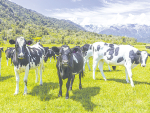
Profit focus falls off the radar
The dairy industry has lost its mojo in the last six or seven years, according to a leading dairy farmer, Trevor Hamilton.




 increase font size
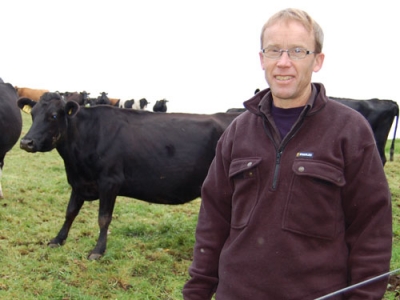 Ian Brown.
The former head of the Fonterra Shareholders Council, Ian Brown, has dismissed claims about the relevance of the council.
Trevor Hamilton, a large scale family corporate dairy farmer said recently (Dairy News July 7) the shareholders council was weak and would be better replaced by a small group of commercially smart people who could seriously challenge the Fonterra board.
Hamilton also questioned whether the council was adding any value.
But Brown says Hamilton misses the whole point of what the shareholders council does. It is much more than a performance monitoring organisation, though that’s one of its tasks, he says.
“The other task is to represent the views of our farmers to the board. So he’s grabbed one piece, if you like, relating to performance monitoring and suggested there might be a better way to do it. However he’s missed the purpose of what the shareholders council is designed to do.”
Brown says when Fonterra was formed the governance and representation areas were deliberately separated out. This saw nine farmer elected directors plus four independent directors on the board plus a farmer chair.
“So farmers have their peers governing the organisation, making the decisions, setting the strategy and in charge of performance. Then you have a representative body which is absolutely the opposite. The directors are elected on merit, they are not there to represent anyone or area or group of people.
“But the shareholders council, with 35 members, is regional based so it can capture the unique needs and circumstances of different regions.”
Brown says the regional representation is important because it’s possible the elected Fonterra directors could come from just a few regions and may lack up-to-date information about farmer views nationwide.
“Every month shareholder council members are among their farmer groups, having ward events and dinners and interacting with farmers. They quickly pick up the views and sentiments of farmers and these get conveyed to the board by a formal report and by the chairman of the shareholders council being present at Fonterra board meetings,” Brown says.
The dairy industry has lost its mojo in the last six or seven years, according to a leading dairy farmer, Trevor Hamilton.
Former Fonterra Shareholders Council chair and Waipu farmer Simon Couper suggests they should be reviewing strategy, not the council.
Many Fonterra farmers have expressed their pride in the way the co-op board, management and staff have kept the wheels of the business turning during Covid-19.
Former Fonterra Shareholders Council (SHC) chair and Waipu farmer Simon Couper puts his views on why the recent review of the council’s functions was a futile exercise.
The Fonterra Shareholders Council admits that it’s failing to achieve the trust and respect of its farmers.


Dairy processors are ready to further boost New Zealand’s export earnings but want the incoming government to match their ambition with good policy.
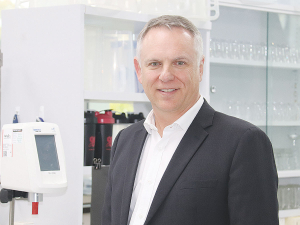
Massey University is best placed to solve the “problems” facing the dairy industry, says vice chancellor, Pierre Venter.
Synlait's longest serving employee – a man who joined the Canterbury-based milk processor even before it began processing milk – is now its newest executive.
A dairy industry leader believes eradicating the common and costly disease, Bovine Viral Diarrhoea (BVD) is within reach.
A farmgate milk price of $10/kgMS this season is firming up as milk powder prices soar and the New Zealand dollar weakens.
Federated Farmers has welcomed new rural policies released by ACT, saying they align closely with its own election priorities.




OPINION: It seems Canterbury processor Synlait is still in the doldrums.
OPINION: Get offside with New Zealand First leader Winston Peters at your own peril.




