Damien O’Connor Criticises Budget 2026 as ‘Miserable’ for Rural New Zealand
A miserable budget that didn’t deliver much for anyone.




 increase font size
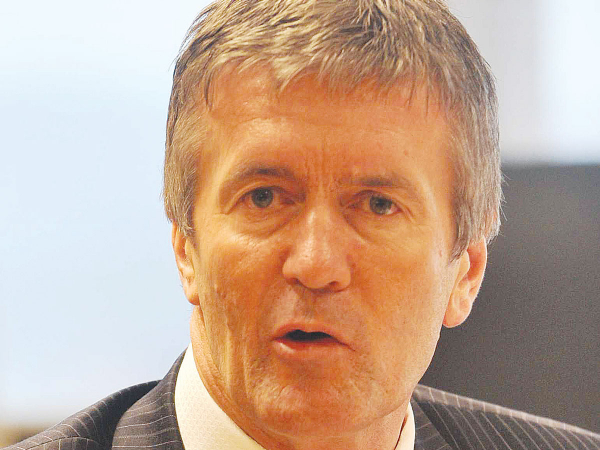 Trade and Agriculture Minister Damien O'Connor
Trade and Agriculture Minister Damien O’Connor says that the global economy is moving through strong headwinds, which will buffet New Zealand this year.
“We’re focused on supporting our exporters and in particular our primary industries to adapt as issues like climate change challenge all economies,” he says.
“We will also continue to work with likeminded partners to reform the World Trade Organisation (WTO), which will provide stability and benefit for all members.”
He made the comments last week while leaving for a series of high-powered trade meetings in Europe.
O’Connor was in Switzerland to attend the World Economic Forum and associated WTO meetings in Davos, before travelling to Berlin for the Global Forum for Food and Agriculture and meetings with German government and industry leaders.
The World Economic Forum brings together civil society, business and political leaders annually to discuss some of the world’s most pressing challenges.
This year’s theme was ‘Cooperation in a Fragmented World’.
O’Connor says the theme resonated for New Zealand especially as we continue to reconnect with the world following the pandemic.
At the forum O’Connor participated in a panel on indigenous trade, highlighting New Zealand’s Trade for All agenda. He also held bilateral meetings with trade counterparts, attended a Swiss-hosted WTO mini-ministerial meeting and a Canada-hosted “Ottawa Group” session on WTO reform.
“An area of particular priority to New Zealand is the return to a well-functioning dispute settlement system as a critical and foundational pillar of the WTO.
“The Ottawa Group meeting presents the opportunity to discuss how we work towards this goal with our partners,” he says.
O’Connor said the Global Forum for Food and Agriculture provides a platform to showcase New Zealand’s global leadership and innovation in sustainable agriculture.
Both meetings will provide important opportunities to lobby for the ratification of the EU-NZ Free Trade Agreement as well as for New Zealand’s candidate for Director General of the International Organisation of Vine and Wine (OIV), Dr John Barker.
O’Connor returns this week.
A miserable budget that didn’t deliver much for anyone.
National's decision to ‘dribble’ information about the NZ/India to Labour contributed to the delay in it deciding to supported the FTA.
When it comes to international trade, politicians from all sides of the aisle are united, says Labour's trade spokesman Damien O'Connor.
Federated Farmers have reiterated their support for the coalition Government to abolish the present ban on the live export of animals.
As the coalition Government mulls new regulations to reinstate the export of live animals, debate is heating up between supporters and opponents.

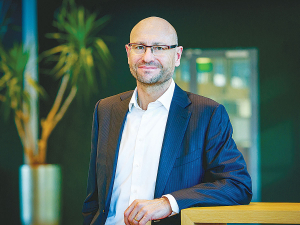
Farmer-owned fertiliser company, Ballance Agri Nutrients is welcoming National’s plan to negotiate security agreements with key supplier countries to protect New Zealand-bound products from export restrictions and greater supply chain certainty.
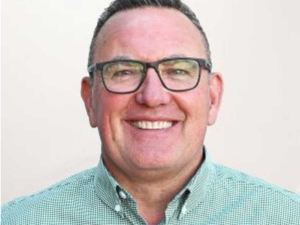
Carrfields has announced the appointment of Stu Hall to the newly created role of chief operating officer, Carrfields Ltd, reflecting the continued growth of their agribusinesses and the need to ensure the company has the leadership capacity and support in place as it pursues the emerging opportunities ahead.
New Zealand's role is not to compete with Indian growers, according to NZ Apples and Pears.
The potato industry is celebrating the success of two rising stars - James Blair, the 2026 Young Grower of the Year and runner-up and innovation award winner, Amber Davy.
Twenty-eight emerging leaders from across the horticulture sector spent two days last month learning valuable skills and connecting with industry experts.
There are five entrants in this year’s Young Horticulturist of the Year, competing in a series of technical, practical, business and leadership challenges.
OPINION: It seems Canterbury processor Synlait is still in the doldrums.
OPINION: Get offside with New Zealand First leader Winston Peters at your own peril.




