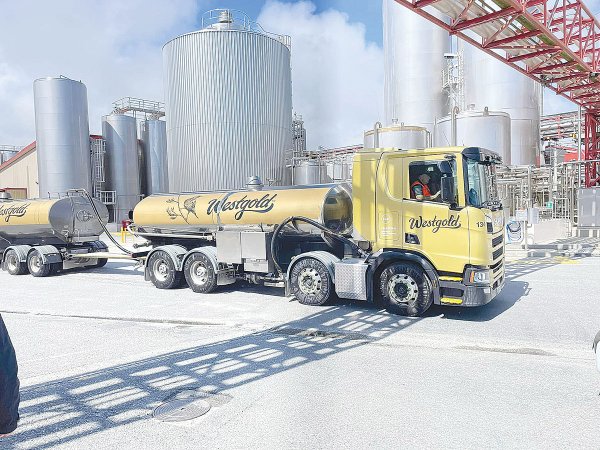
Not all milk processors in New Zealand are struggling; just look at Westland Milk Products on the West Coast.
The company, owned since 2019 by Chinese dairy giant Yili, posted a second consecutive year of revenues topping $1 billion. Net profit in 2023 reached a record $56 million, topping 2022's record of $39m.
At a time when another South Island milk processor, Synlait Milk, is said to be at risk of collapse, Westland Milk is forging ahead with the right product mix and support from Yili.
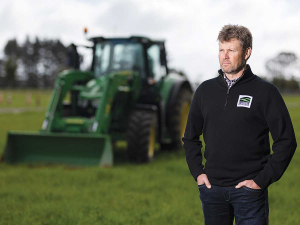
Chief executive Richard Wyeth says in the dairy sector there's a very fine line between making good decisions and losing money.
"A strong balance sheet, not too much debt and a very good product mix has helped us," he says.
Westland has had its fair share of problems: the company lost money between 2019 and 2021, recording a $120m rebound in 2022.
Wyeth says to follow up the 2022 performance with another solid performance last year is great, especially with softer commodity prices.
He says the company would maintain its push towards long-term profitability by continuing to divert more milksolids into higher-value products in 2024. Apart from processing milk from its 400 farmer suppliers, Westland also bought milk and cream last year from sister company Oceania Dairy and other processors.
Unlike Synlait, Westland is not into infant formula, a strategic decision taken when Wyeth took over as chief executive in 2021.
"In the infant formula sector, competition was significantly up and demand was down, so we decided to move away from producing infant formula," he says.
Wyeth notes that the heydays enjoyed by infant formula eight to ten years ago are long gone.
Westland's strategy comprises of a two product mix: On the fat side, grass-fed butter and UHT cream for the food service sector are the main products and account for bulk of the company's revenues. On the protein side, milk protein concentrates, whey protein concentrates and caseins are its main offerings.
Westland's butter is becoming a global success story. A $40 million investment in a new butter plant at Hokitika in 2022 had allowed Westland to expand strongly in the US market. Westgold butter is now stocked in more than 3,000 grocery retail outlets in the US, including Walmart stores. Westland also produces Kirkland Signature New Zealand Grass-Fed Butter for Costco.
Costco reported in their 2022/23 financial results that Kirkland butter sales increased more than 160% year-on-year and continue to show strong growth.
The Westland-produced butter is now stocked in almost every Costco store in the US, as well as Costco global stores, including Korea, Taiwan and New Zealand, with more international regions in the pipeline.