BCS Targets: Why Body Condition Score Matters at Calving
Body Condition Score (BCS) is a critical element in managing the health and reproduction of the dairy herd.




 increase font size
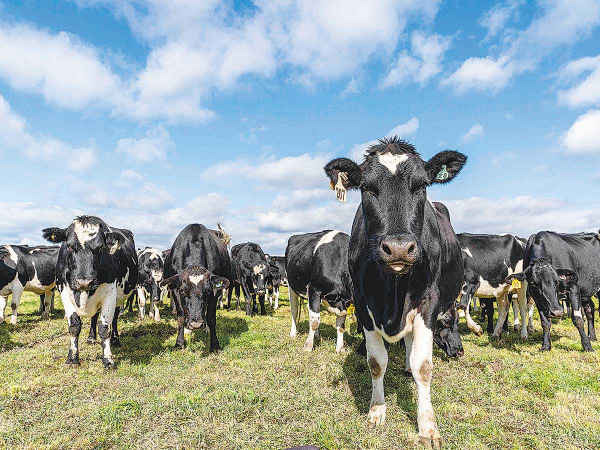 Trends show more farmers demanding sexed semen and genetic solutions to help minimise the environmental footprint of their herd.
South Island dairy farmers' attitudes towards breeding are rapidly changing, with cow performance data driving sire selection in an effort to maximise the value of herd progeny.
CRV South Island sales manager Perry Davis says it's no longer a case of one size fits all, with trends showing more farmers demanding sexed semen and genetic solutions to help minimise the environmental footprint of their herd.
"In the past, many farmers ordered semen based on what they did the previous year," he says.
"Now we are having discussions based on what farmers' herd recording data is telling us about groups of animals in their herd and how we can make breeding decisions that will increase the value of their progeny. It's a trend we're seeing in the South Island and nationwide.
"As a result, many farmers are now considering a wider range of options for their breeding programme, such as sexed semen, low milk urea nitrogen sires, polled sires and alternative dairy beef breeds."
Perry says this approach isn't new to CRV. In fact, the company is well-known for specialising in a nominated breeding style, where farmers and their consultants select a team of sires to meet their breeding goals, rather than using general teams of sires for the whole or part of the herd.
"CRV has proposed the use of innovative genetic solutions for many years," says Perry. "Adding cow performance data to the mix means farmers can make better decisions about which cows they want to breed from.
"Farmers have always valued what we call the CRV 'herd walk'. It's about getting our gumboots on and being amongst the cows, talking about what makes the farmer proud, who their top performers are and what they want to improve on.
"We are taking this personal service to the next level and looking at what a farmer's herd recording data is telling us, so we know exactly who the top performers are. These are the cows you want to breed your heifer progeny from."
Perry says CRV's new herd recording and management tool myHERD is proving a valuable platform on which to base these discussions. It was launched to CRV herd recording users in 2020.
"The myHERD reporting dashboard can be customised, so farmers can see at a glance how their herd is performing," says Perry. "We can bring this information up on a tablet or mobile phone when we're out in the paddock and help the farmer make breeding decisions there and then based on hard data."
Farmers learnt more about myHERD at last month's South Island Field Days.
CRV managing director, James Smallwood, joined Perry and his South Island sales team for the event.
Body Condition Score (BCS) is a critical element in managing the health and reproduction of the dairy herd.
Body condition scoring ewes at least six weeks out from mating can make a significant difference to conception rates and scanning percentages.
Hit the ground running this mating with these foundations for success.
While the recent payout announcement is not the news dairy farmers were hoping for, it’s an opportunity to review on farm performance with a specific focus on protecting your farm’s profitability.
The highly anticipated 2023 Discovery Project team has been revealed, marking an exciting milestone for New Zealand Holstein Friesian breeders.


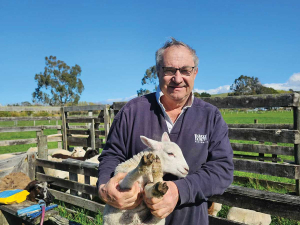
Decades piloting planes has ensured vet and farmer David Hayes is focused on safety. So, after a serious accident while welding on farm, he is sharing his experience so others can learn from it.

Canterbury milk processor, Synlait Milk has confirmed Leon Fung as its chief executive officer.
OPINION: Making it easier to collect rainwater and use it to grow crops and livestock is a no brainer.
As part of its Election 2026 coverage, Rural News asked political parties how they would help pull the arable sector out of the doldrums. Here's what they said:
Farmers are being encouraged to rethink how they manage waste on farm with the launch of ruralwastesorted.co.nz, a new website bringing together practical tips, real farmer experiences and resources.
New Zealand Winegrowers (NZW) is celebrating the India-New Zealand Free Trade Agreement (FTA) coming into force today, bringing New Zealand wine improved access to one of the world’s fastest-growing economies.


OPINION: It seems Canterbury processor Synlait is still in the doldrums.
OPINION: Get offside with New Zealand First leader Winston Peters at your own peril.




