Vets: Move Fireworks From Backyards to Licensed Public Displays
With fireworks on sale from today and the election five days away, the NZ Veterinary Association says the issue deserves another look.




 increase font size
 Richard Hilson.
A leading veterinarian says in his opinion farmers are doing a better job now than ever in regards to animal welfare.
Richard Hilson is the managing director of Vet Services Hawke’s Bay, which has a staff of 120 people including about three dozen vets. Hilson says he gets frustrated when he sees a lot of publicity given to people who treat animals badly. He says the reality is that these few individuals unfairly give farming a bad name.
In recent months there have been several high profile cases of animals being mistreated and people being prosecuted for failing to adequately feed cows to killing a lamb.
Hilson says there is a greater awareness about animal welfare and often people who harm animals find that others who know them report them to the authorities. Hilson says these days, people realise that it’s not okay to mistreat animals.
“When you look back at some of the things we did 10 or 20 years ago we are not doing them now,” he told Dairy News.
“We are doing a better job. We are more humane and much more conscious of animal welfare. It just seems that the cases reported get a high profile in the media. I think it would be quite nice for every story that some fellow got potted, quite rightly so for welfare, to see 100 stories about farmers doing a good job,” he says.
Hilson points to the greater awareness of animals suffering from pain and that has been considered with the greater use of painkillers when treating them. He says welfare standards have lifted and that farmers have done this because they accept the science and the need to do the best for their valuable stock.
“Very few people beat their cows or break their tails these days. It is true that sometimes people get angry and do things they immediately regret,” he says.
Hilson says he and his staff spend a lot of time with farmers and says the issue of animal welfare is seldom raised because he says there is simply no need to because farmers get the issue. He says in his experience the thing that upsets farmers the most is the misreporting of their industry.
“Farmers feel so beaten up new regulations, health and safety and a raft of other issues that they feel isolated,” he says.
With fireworks on sale from today and the election five days away, the NZ Veterinary Association says the issue deserves another look.
The first major update to the Dairy Cattle Code of Welfare in more than a decade has been released, marking what DairyNZ describes as an important step in ensuring animal welfare standards continue to evolve alongside scientific evidence and on-farm realities.
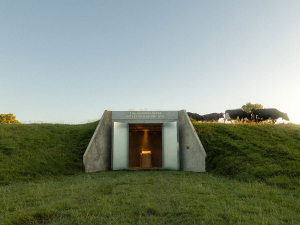
In Dacre, near Invercargill in New Zealand’s South Island, Bruce Dinnington is running a dairy operation unlike any other.
Rural leader Mark Hooper has been appointed as an independent director to the NZPork board, bringing extensive farming, governance and advocacy experience to the role.
Climate, nature and animal wellbeing make up Fonterra's refreshed sustainability roadmap released last week.

Halter has launched Mav, an AI farming assistant that lets dairy farmers ask questions about their herd and pasture and get answers drawn from the data the company’s collars already collect.

OPINION: At first glance it appears that Father Christmas has delivered the rural sector good tidings, with most pundits predicting the return of the centre-right coalition.
For 15 years, Glenda Rees has travelled from Gore to Awarua, often several times a week, to keep watch over one of the country’s rarest birds.
With some farmers opposing a government-industry partnership set up to develop methane reducing products, one NZ company claims that it already has a product on the market.
During the nesting season, from September to December, industrious starlings can quickly build nests in the darker areas behind tractor and vehicle, usually close to hot engines, typically resulting in localised damage or in some cases complete write-offs.
The meat processing industry is much more collegial than it was in the past and is now more focused on common goals.


OPINION: It seems Canterbury processor Synlait is still in the doldrums.
OPINION: Get offside with New Zealand First leader Winston Peters at your own peril.