
NZ Apples Head to India: Apple Action Plan Gets a Leader
A seasoned horticulturist has been appointed to deliver the Apple Action Plan, a key initiative of the India-New Zealand Free Trade Agreement.




 increase font size
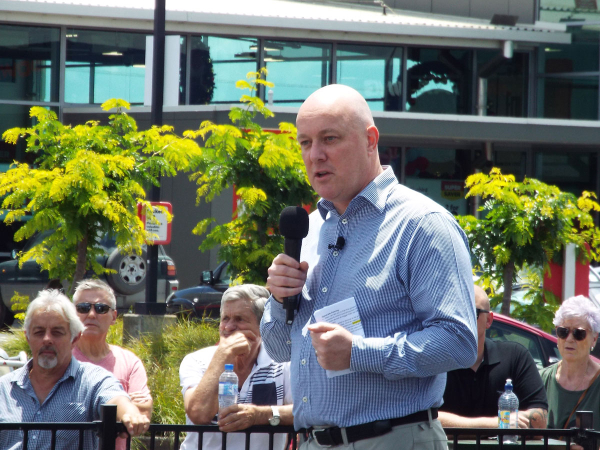 Prime Minister Christopher Luxon
|
A landmark moment for New Zealand. That's how Prime Minister Christopher Luxon describes the conclusion of negotiations for an India-New Zealand Free Trade Agreement. “I am delighted that, just nine months after Prime Minister Modi and I launched negotiations on this deal during my visit to India, Trade Minister Todd McClay and his counterpart Piyush Goyal have delivered," Luxon says. “We made a campaign commitment to New Zealanders to secure a Free Trade Agreement with India in our first term, and our countries have pursued this with determination. This is about our plan to fix the basics and build the future. “This is an incredibly exciting opportunity for New Zealand exporters, with tariffs immediately removed on more than half of New Zealand’s current exports to India from day one. The gains are wide-ranging and significant. “India is the world’s most populous country and is the fastest-growing big economy – and that creates opportunities for jobs for Kiwis, exports and growth. “Since the election, Todd McClay has visited India seven times. The Foreign Minister has visited India twice. Earlier this year, I led New Zealand’s largest-ever trade mission to India. And New Zealand has hosted India’s President and two Ministerial visits from India. “The result is a high-quality trade agreement with a trusted partner that will deliver deep and lasting benefits for New Zealand. “I have just spoken to Prime Minister Modi, who shares our excitement to further cement the strong relationship between New Zealand and India,” says Luxon. Trade Minister Todd McClay says the agreement is "once-in-a-generation". “This once-in-a-generation Agreement creates opportunities New Zealand exporters have never had in India. This deal is in New Zealand’s best interest and will deliver thousands of jobs and billions in additional exports,” McClay says. “The Indian economy is forecast to grow to NZ$12 trillion by 2030. The India-NZ Free Trade Agreement unleashes huge potential for our world-class exporters to the world’s largest country and will significantly accelerate progress towards New Zealand’s ambitious goal of doubling the value of exports over 10 years.” “In a world-first New Zealand will have duty-free access for a large kiwifruit quota – nearly four times our current exports - with a 50 per cent tariff applying outside quota. For the first time in an FTA, India has agreed preferential market access for apples and mānuka honey," McClay says. “The FTA has broad services coverage and builds significantly on India’s WTO commitments with a focus on financial services, e-payments and FinTech, and includes an MFN clause to future-proof our services trade. “To protect specialist and iconic New Zealand product names in each other’s markets, we have agreed to establish Geographical Indication rules comparable to those we have with the EU. “This FTA future-proofs New Zealand’s dairy access by offering a right to negotiate should India give better access to comparable countries, by triggering an automatic consultation process to consult and upgrade.” “New Zealand exporters will enjoy duty-free access for dairy and other food ingredients for re-export through the FTA, opening the door to greater collaboration and processing, and offer access to India’s growing number of FTA partners through a dedicated fast-track mechanism,” McClay says. |
A seasoned horticulturist has been appointed to deliver the Apple Action Plan, a key initiative of the India-New Zealand Free Trade Agreement.
National’s much-touted free trade deal with India featured in the Rural Issues Debate at Mystery Creek, Hamilton on Wednesday night.
OPINION: In politics, credibility is and should be big. It must surely rank higher than charisma, which is quite trite and superficial. Yet, voters nowadays are often wooed and influenced by how someone looks or talks at a superficial level. TV plays a huge role in this.
I think it's going to greatly weaken National at the election. That's the view of a former senior National MP on the recent attempted coup against Prime Minister Christopher Luxon.
PM Chris Luxon can't seem to buy a trick when it comes to the polls, particularly for his own approval rating as preferred Prime Minister.


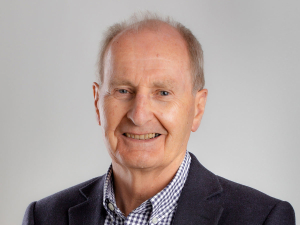
Wools of New Zealand chief executive John McWhirter says its new direct-to-consumer wool carpet service, Laneve, is the next step in the development of the business.
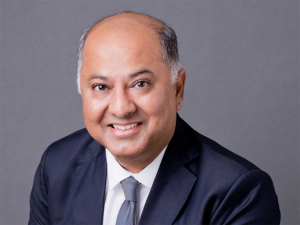
The New Zealand-India Free Trade Agreement entered into force today, improving market access for New Zealand businesses across a wide range of sectors.
Vetekina Pau'u is the first Tongan to win the William Gearish Memorial prize and sadly she will also be the last recipient.
Things are looking up in the dairy goat sector.
Mark Hooper has been appointed the new chair of NZPork, the industry organisation representing New Zealand pig farmers.
As the India-New Zealand free trade agreement enters into force, New Zealand’s apple industry has reaffirmed its commitment to the long-term development of India’s apple sector.




OPINION: The same mainstream media muppets that brought you Jacindamania in 2017 have been flat out pimping for the Opportunities…
OPINION: Your old mate reckons the atrocious way farmers in the UK are treated by their lords and masters in…




