Toyota is changing the way it sells new vehicles, notably by moving away from commission-paid sales staff and haggling over purchase price.
Called the ‘Drive Happy Project’ it sees Toyota’s 51 traditional dealerships becoming agencies in local ‘stores’ and receiving a fee for dealing with customers; staff will become salaried product specialists.
Vehicles will no longer carry recommended retail prices but rather a Toyota Driveaway Price including such normal add-ons as pre-delivery costs, registration and a full tank of fuel.
Toyota says this will end haggling over price. (It remains to be seen how this will go down with farmers, who love to haggle.)
New vehicle prices could fall as a result, in some cases by $10,000.
The company says research shows that many would-be buyers dislike current motor-industry selling tactics and find them intimidating -- especially price negotiation, which can leave them wondering if they really had a good deal.
And some customers feel overwhelmed by a large product offering and the ‘pushing’ of a stock vehicle that may not seem the right one.
Toyota ‘stores’ will not be expected to carry their own stock but will instead get display vehicles from three regional hubs -- Auckland, Wellington and Christchurch. These hubs will supply the vehicles eventually purchased.
‘Store’ vehicles will be demonstrators, allowing would-be buyers to test drive before deciding what meets their needs. They will then order their new vehicle online or via the agent from the regional hub.
Toyota says its Drive Happy Project will allow flexible test drive options, e.g. a test drive of up to 20 hours rather than the traditional 10 minutes around the block.
And a seven-day money-back option will benefit the customer who feels the chosen vehicle is not the right one.
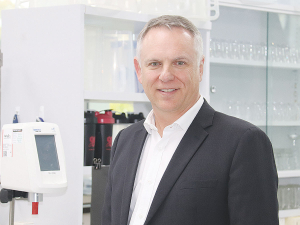
“Our way of business needs to evolve to align with our customers’ expectations,” Alistair Davis, chief executive of Toyota NZ says.
“As a result, the Drive Happy Project will save customers time and money, while putting a little bit of pleasure back into buying a new vehicle.”