The Cost of War on Our Primary Sector
OPINION: Since the escalation of tensions involving Iran and the closure of the Strait of Hormuz, farmers have seen diesel prices pushing closer to $4 per litre.




 increase font size
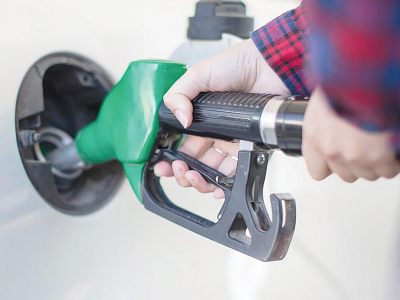
Fuel costs are a hot topic everywhere, added to the rising costs of compliance and licensing. Here are some tips on how to reduce fuel consumption and lower costs for rural businesses.
1. Reduce idling: idling a heavy commercial vehicle can use up to 2L fuel per hour. By cutting your idling time you can save 5% of your fuel bill, says the government agency EECA.
Mangonui Haulage, in Northland, runs 50 trucks that include logging, livestock and mixed-use trucks. By its fleet management system the firm discovered many drivers were idling their trucks for up to 45 minutes. So it ruled that all engines must be turned off after five minutes of idling. This has helped the business’ profits.
2. Keep up regular equipment maintenance: telemetry data from Teletrac Navman shows that poorly serviced equipment and vehicles can use up to 50% more fuel. With a fleet management system you can set alerts for maintenance tasks based on an engine reaching a set amount of kilometres travelled or hours in operation. With regular maintenance check-ups, wear and tear can be fixed before it causes a machine to fail.
3. Keep tyres inflated: under-inflated tyres use around 10% more fuel than properly inflated ones. Tyres are also known to lose around 1-2psi per month (3-6%) naturally, so checking and inflating is a monthly task.
4. Record important location coordinates on a GPS system: Haddrell’s of Cambridge (beekeepers) does a lot of running to visit its many hive sites. The company used its GPS fleet management system to set up ‘geofences’ around its many, often hard-to-find hive sites. A geofence is a virtual geographic boundary around an area which can be used to mark exact locations and to track which vehicles cross the boundary. Saving all the sites to their fleet management system and using the navigation tool saves all new staff members fuel and time of their rounds of the sites.
5. Use fuel monitoring systems: this will allow your business to measure how much fuel is dispensed versus how much fuel is used. You can use this to identify inefficient vehicles and equipment, which helps to make informed purchasing decisions when fixing or replacing assets. A fuel management system can also help businesses identify fuel theft.
6. Tweak your driving habits to drive smarter: take corners carefully, avoid harsh braking and accelerate smoothly to reduce fuel consumption. The New Zealand Racing Board reduced fuel consumption from 21L/100km to 13.8L/100km in its fleet in part by smarter, safer driving habits.
7. Lighten your load: unused roof racks or roof boxes can be removed from a vehicle as they create wind resistance and this reduces fuel efficiency.
8. Claim your Road User Charges (RUC) rebates: vehicle licensing costs have gone up. So if you’re running a diesel vehicle on private property or roads you can apply for a rebate on that ‘off-road’ portion of your RUC licence. For farm services that enter private driveways many times per day, the 500m stretch from the main road to the milk shed adds up. An electronic RUC system allows tracking the small distances for each vehicle, and automatically populate a claims form for the off-road distances.
OPINION: Since the escalation of tensions involving Iran and the closure of the Strait of Hormuz, farmers have seen diesel prices pushing closer to $4 per litre.
OPINION: Data from an app that tracks farm fuel levels shows a small rise in fuel being taken from monitored tanks during the night, amid the global fuel crisis.
Farmers are throwing their support behind the Farm Debt Mediation Scheme.
Dairy farmers can unlock capital in their dairy herds in a $1 billion herd leasing scheme launched last week.
Dairy farmers can unlock capital in their dairy herds in a $1 billion herd leasing scheme launched last week.


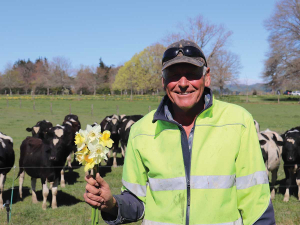
South of the central Hawke’s Bay town of Waipukurau is Taniwha Station – a highly successful 550ha bull beef farming operation.
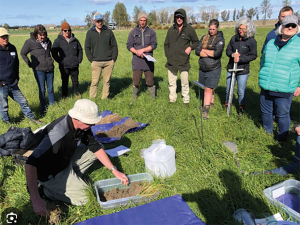
Beef + Lamb NZ funded research has shown that some simple changes to pasture management could help farmers make better use of rainfall and build resilience before dry conditions hit.
OPINION: There could hardly be a more appropriate theme for a conference than the one chosen by the red meat sector - Navigating Volatility.
When Northland leather worker Vernon Suckling started making horse saddles 50 years ago, quad bikes and side-by-side vehicles were unheard of.
Alliance Group has confirmed that eligible farmer-shareholders who supply and continue to back the business will receive up to $20 million later this year, following the strategic investment partnership with Dawn Meats.
With a general election under five weeks away, Rural News is asking major political parties about their policies and positions on key issues facing the primary sector. We will run their responses to each question over the next four weeks. The ACT Party and the Greens didn't respond in time.





OPINION: The same mainstream media muppets that brought you Jacindamania in 2017 have been flat out pimping for the Opportunities…
OPINION: Your old mate reckons the atrocious way farmers in the UK are treated by their lords and masters in…