
Cashing in on goat fibre
Last month's inaugural New Zealand Cashmere Conference saw the opening of a new fibre processing facility.




 increase font size
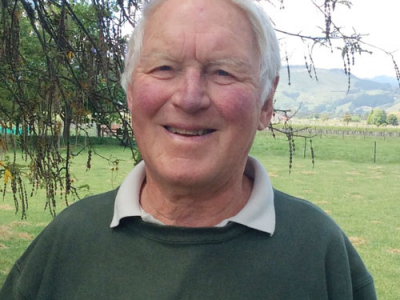 Garrick Batten.
The benefits of pastoral goats are largely ignored in New Zealand, but these animals could be, for some hill country farmers, as important for their survival as fertiliser and fencing.
Since the ill-conceived 1980s boom in goats, suitable animals, and the knowledge and systems for farming them -- stemming from research and confirmed by innovative commercial practices -- have resolved earlier husbandry, foot, parasite and escape problems.
We have learned that goats are a new and different animal, not suited to sheep-type solutions under our pastoral conditions. Simple, low cost, basic pastoral goat management maximises many benefits, not least an income from meat.
Best results target only one of these -- fitted to individually different farm contour, soils, climate, plants, other stock and skills, to enhance farm sustainability.
Why farm pastoral goats?
Biologically control pasture and scrub weeds with no chemical, labour, fuel or OSH issues. Strategies depend on species, severity, degree of control and timeframes.
Replace breeding cows to control pasture in specific situations for similar gross meat income but lower in capital, facilities and husbandry costs, no NAIT, TB and pregnancy testing or winter feeding. Cattle winter treading damage can reduce pasture by 50% and increase soil erosion, sediment and phosphate waterway contamination. Steep broken country causes cattle losses. Goats do not like water, so sheep and goats would not require waterway fencing under environmental plans.
Biological gas emissions can be greatly reduced with pastoral goats. Their higher condensed tannin diet reduces methane and, much more importantly, nitrous oxide is lower because of less concentrated and better spread urine patches than from any cattle.
Less clover eaten in mixed pasture increases content by 25% results. More free N worth 2-5c/kg and less fertiliser N contamination. Clover is turbo feed for 10-30% quicker and higher kid finishing weights on mixed pasture, and twice as fast from ryegrass.
Pasture grooming above 50-70mm improves overall quality and growth rates of associated stock. Goat pasture intake of 50-70% is set by height not volume for shallow browsing to include seedheads and uneaten grasses. The balance includes 15 other species not eaten by sheep and cattle as goats eat up and down contours, rather than across.
Goats readily eat plants including shrubs, that will become part of livestock feed grown for increasingly fickle dry spring and summer weather.
Older farmers welcome reduced physical work: no flystrike, tailing, dagging, shearing, bearings or facial eczema when pastoral goats replace sheep. Less yard work and quicker and easier to muster. Similar meat income.
Goat meat
As an end product from such objectives or as a specific product, commodity-based schedules and FOB export prices historically compare with other similar meats. A major goat processor currently has YL lamb $4.05/kg, and ungraded 9-13kg goat $3.90/kg. Same goat price to 19kg means on-farm slaughter management flexibility.
USA with 50% shortfall in domestic supply is the only market we need. Good 10kg CW store-condition kids have sold live at Texas auction for US$10-12/kg during 2016. Retail grass-fed goatmeat at US$18/lb is > 50% more than lamb.
Australian 2015 per kg FOB goat meat exports A$8.13/kg (USA A$9/kg) matched NZ lamb at NZ$8.50/kg.
Processors need committed slaughter goat supplies to service and develop markets for better prices.
Bank bottom line profit that could be $10,000 net from savings on weed control costs and improved production from other stock, doubled by extra end-product goat meat income.
• Garrick Batten is a goat farming authority through radio, TV, books, articles, field days and papers at conferences. He has commercially farmed goats since the 1970s. A former MAF regional technical and advisory services manager and national meat and fibre goat adviser, he has held several goat sector and industry positions. After initiating goat weed control and cashmere developments, he developed Kiko goats exported to the world, now established as a major US meat goat breed. Since 2003 they have been refined as Kikonui, specifically for NZ hill pastoral conditions.
More details at: www.caprinexnz.com
Last month's inaugural New Zealand Cashmere Conference saw the opening of a new fibre processing facility.

"Adding pastoral goats with suitable management is the production base to develop a niche in an existing market,” Garrick Batten claims.
Prior to the 1600’s the liver was considered to be the most important organ in the body, much more so than the heart and the brain.
Dairy goat milk processors, looking to increase their supplier numbers, are helping to drive interest among farmers in New Zealand’s growing goat milk industry.
Former All Black Kevin Schuler says diversifying the family farm with his brother Paul into three milking systems – cows, goats and sheep – is all about creating a better and stable business.



Alliance is calling for final applications for its 2027 Graduate Programme, with applications closing on Sunday 25 October.
Decades piloting planes has ensured vet and farmer David Hayes is focused on safety. So, after a serious accident while welding on farm, he is sharing his experience so others can learn from it.
Canterbury milk processor, Synlait Milk has confirmed Leon Fung as its chief executive officer.
OPINION: Making it easier to collect rainwater and use it to grow crops and livestock is a no brainer.
As part of its Election 2026 coverage, Rural News asked political parties how they would help pull the arable sector out of the doldrums. Here's what they said:
Farmers are being encouraged to rethink how they manage waste on farm with the launch of ruralwastesorted.co.nz, a new website bringing together practical tips, real farmer experiences and resources.



OPINION: The same mainstream media muppets that brought you Jacindamania in 2017 have been flat out pimping for the Opportunities…
OPINION: Your old mate reckons the atrocious way farmers in the UK are treated by their lords and masters in…




