
Boots Off, Brains Unplugged
OPINION: Across the country, farmers are juggling stock, pasture, animal health, fertiliser, contractors, staff, weather, cash flow and an endless list of jobs that cannot wait.




 increase font size
 John and Roslyn Weir.
Award-winning Taranaki dairy farmers John and Roslyn Weir, of Springmount Farms, are encouraging other farmers to consider entering the Ballance Farm Environment Awards.
The Weirs were finalists in this year’s Taranaki Ballance Farm Environment Awards and went on to win the LIC Dairy Award and the CB Norwood Distributors Ltd Agri-Business Management Award for the region.
“You show a group of people around your farm and they give you feedback about whether or not they think you’re heading on the right track. It’s not biased… just as they see it on the day,” says Weir.
“We definitely encourage people to enter. You’ll be surprised what you end up with and what you get out of it. It’s well worthwhile.”
Springmount Farms is an intergenerational dairy business run by the Weirs on mostly flat central Taranaki land. The total area is 200ha and 520 cows were peak milked this season on the 150ha milking platform at Toko, east of Stratford.
John and Roslyn have two children, Nathan (22) and Ashleigh (20). John’s great-grandfather, also John, began farming the original 55ha block in 1916. John and Roslyn have been in charge since 1996.
The Weirs won a Century Farm award in Lawrence, Otago, in May. Their family farm has grown gradually with every generation buying a neighbouring property. They aim to continue the family legacy and keep everything “together and in the family,” Weir says.
“We’re proud of what we’ve done over time. Our family has been here for so long.”
As first-time entrants, the Weirs had no expectations going into the awards but were rapt to win. They had attended the awards dinner the previous year as a guest of Ballance Agri-Nutrients, which was valuable preparation, then attended the supreme winner’s field day this year.
Weir says they enjoyed showing their farm to the judges.
“It’s interesting to get feedback from someone totally unconnected to your business,” he says.
And the judging was a good process to go through, “like a reverse interview, and interesting as we only had a short timeframe to tell them about the business. We had a couple of small points in the feedback report we needed to address in more depth but there were no surprises.”
OPINION: Across the country, farmers are juggling stock, pasture, animal health, fertiliser, contractors, staff, weather, cash flow and an endless list of jobs that cannot wait.

Farmer-owned fertiliser company, Ballance Agri Nutrients is welcoming National’s plan to negotiate security agreements with key supplier countries to protect New Zealand-bound products from export restrictions and greater supply chain certainty.
OPINION: One of the privileges of judging the Ballance Farm Environment Awards for more than a decade is the opportunity to spend time on farms and orchards across New Zealand and hear from people constantly looking for ways to improve their businesses.
The Ballance Farm Environment Awards are coming to the West Coast of the South Island.
Ballance Agri-Nutrients has released its latest fertiliser outlook, detailing some of the current global trends influencing fertiliser supply. Ballance head of procurement Shane Crean takes part in a Q&A in the report:



During the nesting season, from September to December, industrious starlings can quickly build nests in the darker areas behind tractor and vehicle, usually close to hot engines, typically resulting in localised damage or in some cases complete write-offs.
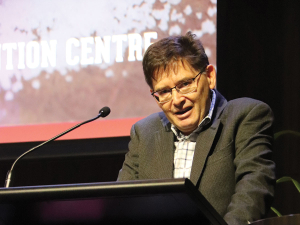
The meat processing industry is much more collegial than it was in the past and is now more focused on common goals.
With the last couple of months having seen some potential tractor purchases put on hold with the impending election and continued input cost rises, year-to-date figures, ending September, has seen deliveries up around 5% over the same period in 2025, with a total of 2026 units.
Beef+Lamb New Zealand is calling for nominations for director roles in the Northern South Island and Northern North Island electoral districts.
Fonterra chief executive, Richard Allen says being resilient has helped the dairy industry overcome extreme volatility in recent years.
The head of the Ministry for Primary Industries (MPI) trade and international relations group says New Zealand is well-positioned to secure trade access and compete internationally as the world becomes more complicated, demanding and uncertain.




OPINION: The same mainstream media muppets that brought you Jacindamania in 2017 have been flat out pimping for the Opportunities…
OPINION: Your old mate reckons the atrocious way farmers in the UK are treated by their lords and masters in…




