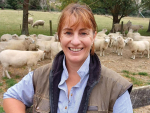
Mary Bowron Named Best Sheep and Beef Vet of the Year
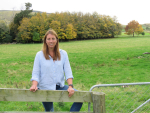
B+LNZ's Wormwise veterinarian Mary Bowron has won the Best Sheep and Beef Vet of the Year Award in recognition of her outstanding contribution to New Zealand’s sheep and beef sector.




 increase font size
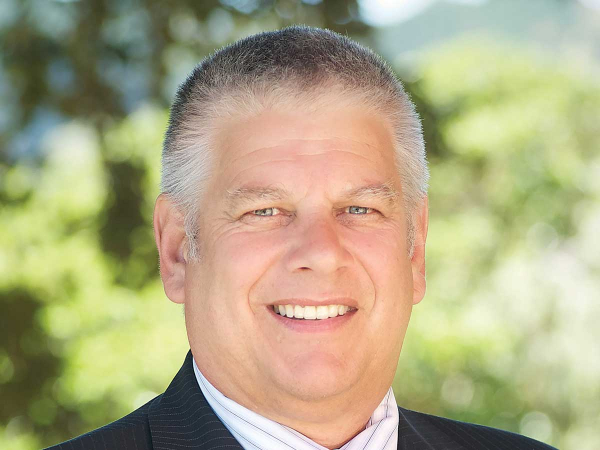 NZVA chief executive Kevin Bryant.
Vets say they support the responsible use of virtual fencing and virtual herding technology for cattle and wants to work with farmers, manufacturers and government to help shape standards for future use backed by ongoing research to strengthen animal welfare outcomes.
NZVA chief executive Kevin Bryant says virtual fencing is already delivering benefits on some New Zealand farms, including greater flexibility in pasture management, environmental protection, and reduced reliance on physical fencing.
"Our members working with dairy farmers are already seeing many of these positive benefits.
"The focus now should be on future proofing this technology by ensuring animal welfare remains at the centre of its development, regulation, and use."
The NZVA believes veterinarians have an important role to play in supporting farmers as they adopt new technologies, by carefully selecting which farms and animals will benefit from using the technology, helping ensure animals are appropriately trained, monitored, and managed to achieve the best welfare outcomes.
"Virtual fencing has significant potential, but that potential must be supported by strong welfare safeguards and robust standards. Farmers, technology providers, regulators, and veterinarians all have a role to play in ensuring the technology is designed and used responsibly."
While current research indicates cattle can learn to respond to audio and vibration cues, reducing the need for electrical stimuli over time, the NZVA supports continued independent research to better understand long-term welfare outcomes and ensure standards evolve alongside the technology.
"Virtual fencing is becoming an important part of modern livestock management. The NZVA wants to be part of ensuring its future development is guided by robust science, practical farming experience, and a commitment to high standards of animal welfare."
B+LNZ's Wormwise veterinarian Mary Bowron has won the Best Sheep and Beef Vet of the Year Award in recognition of her outstanding contribution to New Zealand’s sheep and beef sector.
Equine veterinarians say horse owners need to stay alert and communicate with their vets following an outbreak of the highly contagious bacterial disease Strangles in the North Island.
Animal owners can help protect life-saving antibiotics from resistant bacteria by keeping their animals healthy, says the New Zealand Veterinary Association.
Around 97% of New Zealand pet owners value the care provided by their vet teams, but the broader contribution of animal health professionals to society often goes unseen, a new study has revealed.
Taranaki veterinarian Dr Rob Mills is the new president of New Zealand Veterinary Association (NZVA).


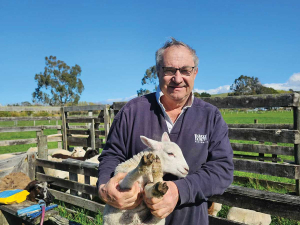
Decades piloting planes has ensured vet and farmer David Hayes is focused on safety. So, after a serious accident while welding on farm, he is sharing his experience so others can learn from it.
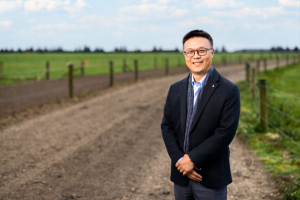
Canterbury milk processor, Synlait Milk has confirmed Leon Fung as its chief executive officer.
OPINION: Making it easier to collect rainwater and use it to grow crops and livestock is a no brainer.
As part of its Election 2026 coverage, Rural News asked political parties how they would help pull the arable sector out of the doldrums. Here's what they said:
Farmers are being encouraged to rethink how they manage waste on farm with the launch of ruralwastesorted.co.nz, a new website bringing together practical tips, real farmer experiences and resources.
New Zealand Winegrowers (NZW) is celebrating the India-New Zealand Free Trade Agreement (FTA) coming into force today, bringing New Zealand wine improved access to one of the world’s fastest-growing economies.



OPINION: The same mainstream media muppets that brought you Jacindamania in 2017 have been flat out pimping for the Opportunities…
OPINION: Your old mate reckons the atrocious way farmers in the UK are treated by their lords and masters in…




