Southland road conditions ‘treacherous’
The Southland District Council is advising drivers in central Southland against unnecessary travel, due to widespread icy conditions.




 increase font size

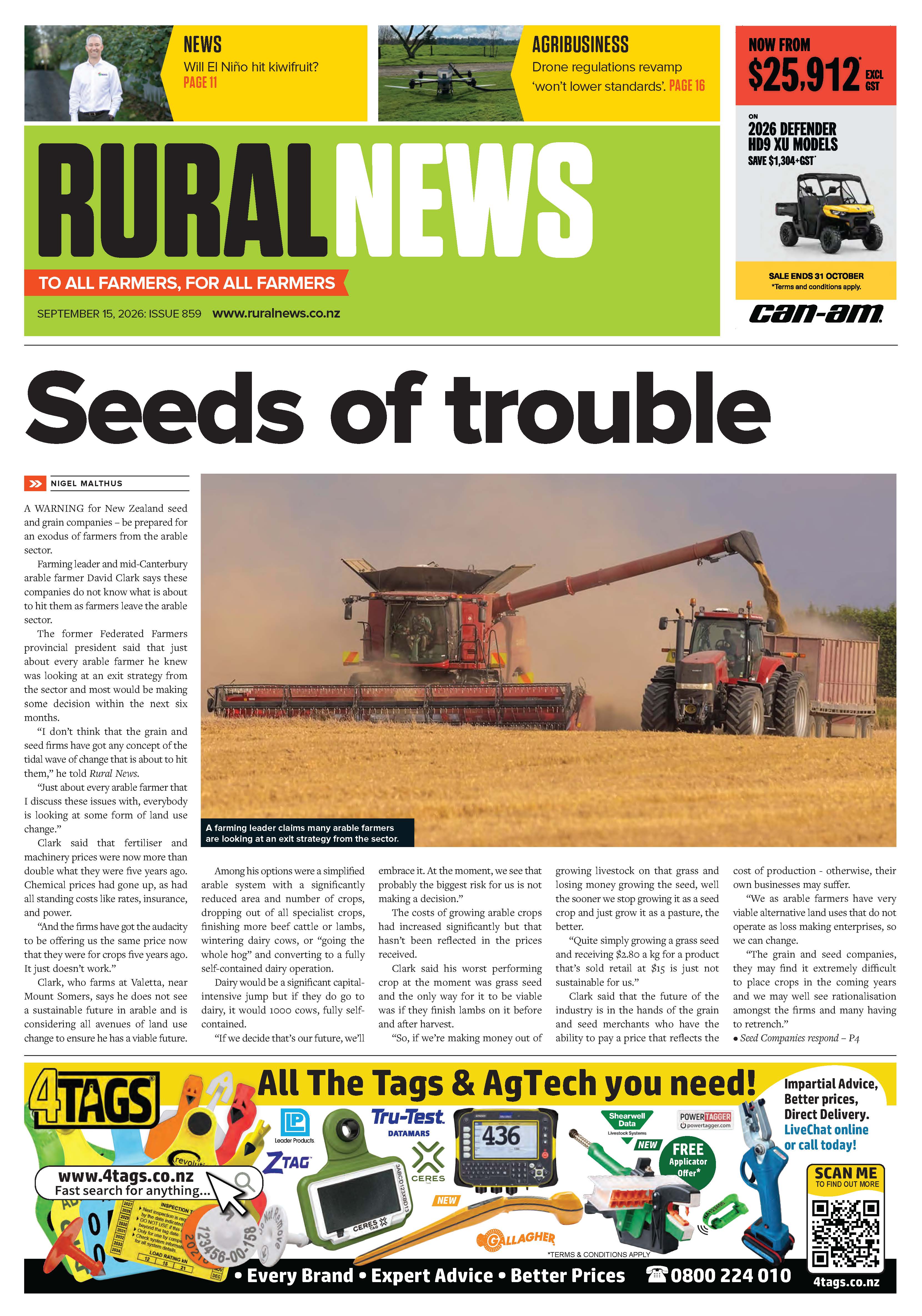
THE NZ TRANSPORT Agency and Police are reminding rural property owners particularly in Canterbury to ensure their properties are adequately fenced to contain their livestock.
The reminder comes after a number of reports of wandering stock on state highway road reserve in Canterbury in recent weeks.
The Transport Agency's highway manager Colin Knaggs says wandering stock poses a serious safety risk to all road users, not only on the state highway network but also local roads.
"When farm animals wander within the road reserve they are a significant hazard to those travelling through the area. Livestock owners are required to ensure their land is securely fenced to prevent animals from straying onto the highway."
Sergeant Graeme Crosson of the Hurunui Police says livestock owners are also reminded that they are liable for any damage caused by their wandering stock and if wandering stock cause a crash and negligence can be proven, the livestock owner may be prosecuted.
Livestock owners have responsibilities under three pieces of legislation - the Crimes Act 1961, the Animal Law Reform Act 1989 and the Impounding Act 1955.
"It is important property and livestock owners are aware of their responsibilities under the acts and take relevant measures to ensure their farm animals remain adequately fenced in."
The Southland District Council is advising drivers in central Southland against unnecessary travel, due to widespread icy conditions.
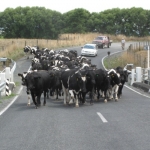
WAIKATO POLICE are urging land owners to check the integrity of their fences and gates and motorists to ensure their vehicles are up to warrant of fitness standard following a number of crashes and near misses last week.


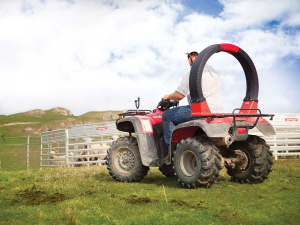
When Northland leather worker Vernon Suckling started making horse saddles 50 years ago, quad bikes and side-by-side vehicles were unheard of.
Alliance Group has confirmed that eligible farmer-shareholders who supply and continue to back the business will receive up to $20 million later this year, following the strategic investment partnership with Dawn Meats.
With a general election under five weeks away, Rural News is asking major political parties about their policies and positions on key issues facing the primary sector. We will run their responses to each question over the next four weeks. The ACT Party and the Greens didn't respond in time.
The red meat sector is in great heart.
Dr Scott Champion, Foundation for Arable Research chief executive, says that everyone in the supply chain had a role to play in driving the sector's long-term success.
Entries opened on Monday, 5 October 2026 for the 2027 New Zealand Dairy Industry Awards (NZDIA), which organisers describe as the nation's biggest celebration of excellence in the dairy sector.




OPINION: The same mainstream media muppets that brought you Jacindamania in 2017 have been flat out pimping for the Opportunities…
OPINION: Your old mate reckons the atrocious way farmers in the UK are treated by their lords and masters in…