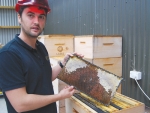
Young Canterbury bee man buzzing
North Canterbury beekeeper James Malcolm is going from strength to strength in a fast-changing industry facing the challenges of increasing corporatisation, new technology, parasites and even hive thefts.




 increase font size
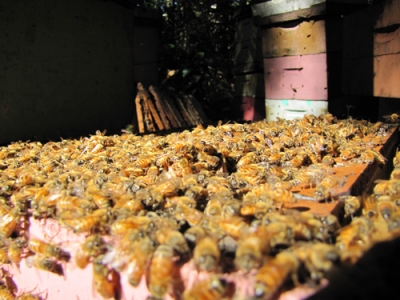 Italian Honey Bees
The answer to the threat of colony collapse disorder in the honey bees in New Zealand and globally may lie with our Pacific neighbour, Niue.
New Zealand beekeeper Andy Cory oversees 3000 hives in New Zealand and 1000 in the Pacific Islands and is considered one of the Pacific's leading apiculturists.
Cory and a group of friends, who are now working together to safeguard New Zealand and the world against Colony Collapse Disorder, say the answer lies with our Pacific neighbour, Niue.
The group, a partnership between Niue Honey Company Ltd and Mighty River Honey Ltd, are converting current operations into a retail focussed social enterprise operating out of Niue, with the goal of selling honey, and other bee products, under the brand Save The Bee.
A share of the profits from the sale of the Save The Bee products goes toward the development of a global bee sanctuary on Niue, which is home to the healthiest last known and sufficiently isolated stock of Italian honey bees in the region, and likely the world.
"The Italian honey bee (Apis mellifera ligustica), which is a major contributor towards global agriculture and horticulture, was brought to Niue from New Zealand many years ago, well before the major honey bee diseases, parasites and associated chemicals afflicting today's bees could affect them," says Mighty River Honey managing director Richard Duncan.
"They've since been relatively isolated in a tropical paradise for bees. Therefore, ongoing protection and preservation of these bees is critical to global agriculture, as well as for New Zealand – it's like an insurance policy for us," he says.
"If New Zealand's bee population were ever to suffer colony collapse disorder scale mortality rates – where would we get more bees from? The answer will be Niue."
Duncan says creating and funding a bee sanctuary with the aim of eventually being able to potentially export clean, healthy and gentle bee stock to other countries is no simple task.
"And with an alarming 42% mortality rate in the US over the last year, we hope to fast track the creation of the sanctuary through funds created from retail honey sales associated with the Save The Bee social enterprise initiative."
Visit the crowdfunding site Indiegogo to find out more about the Save The Bee initiative and how you can help save the bee and protect global food security.
North Canterbury beekeeper James Malcolm is going from strength to strength in a fast-changing industry facing the challenges of increasing corporatisation, new technology, parasites and even hive thefts.
Beekeepers need to endorse a proposal to combine two organisations into a single and effective industry body.
Plant & Food Research is asking growers and beekeepers to share their current practices and their thoughts on future pollination requirements.
The apiculture industry has voted by a substantial majority to proceed with unification and their associations at the New Zealand Apiculture Conference.
IF WE DON'T look after all natural pollinators, particularly the honey bee, we could see economic and social collapse, says John Hartnell, Federated Farmers Bees chairperson and a Christchurch-based exporter of bee products.

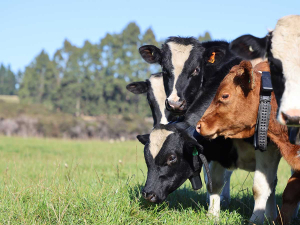
High country stations, mixed sheep and beef farms, Māori-owned farms, corporates and family operations are among the nine commercial farms taking part in the Livestock Innovation Farming Transformation programme, known as LIFT.
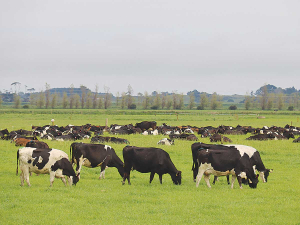
OPINION: New health and safety guidance unveiled by the Government recently provides farmers greater certainty about what is expected of them when managing risks on farm.
The National Animal Welfare Advisory Committee (NAWAC) is seeking public feedback on proposed changes to the Code of Welfare for Rodeos.
A New Zealand initiative supporting farmers to restore the health of grazing landscapes has received international backing through the Regenerative Fund for Nature, a global collaborative fund supporting regenerative agriculture and the communities that produce natural fibres for the fashion industry.
Combine premium New Zealand products, blend in a family ritual and what do you get? A world-class functional drink.
Entries are now open across eleven regions for the 2027 New Zealand Dairy Industry Awards (NZDIA).


OPINION: The same mainstream media muppets that brought you Jacindamania in 2017 have been flat out pimping for the Opportunities…
OPINION: Your old mate reckons the atrocious way farmers in the UK are treated by their lords and masters in…




