
Federated Farmers Backs Year 11 Agricultural Science
Federated Farmers is backing Feilding High School’s call to keep Agriculture and Horticultural Science as a standalone subject in Year 11.




 increase font size
 Anne Hindson
The Kellogg Rural Leadership programme at Lincoln University has had a makeover with a new structure and fresh content.
"The changes introduced this year include a shortened six-month programme and a second course starting in June," says Kellogg Rural Leadership Programme general manager Anne Hindson.
Twenty-three participants have enrolled under the new structure, which includes three residential components and an industry-based project.
"The previous model was an 11-month programme with one residential module in January and another in November, causing issues for some of the large sectors. A January course is difficult for those in arable and horticulture sectors, particularly if they are hands-on farmers," says Hindson.
Field trips are another new initiative, giving participants the opportunity to visit different producers and businesses in the larger sectors.
"This is linked to syndicate work, where strategy and leadership are explored in the context of visited organisations," Hindson says.
Programme participants are selected to ensure a varied mix in terms of sector, age, gender, and geographical location.
According to Hindson the cross-sector mix encourages greater knowledge of the New Zealand primary industries and builds networks
"As well as people from the dairy, red meat, horticulture and arable industries, there is a large group from the agri-business sector including bankers, consultants and vets working in rural communities," She says.
Hindson says the course provides the tools and knowledge necessary for leadership success in the primary sector. However, she adds, the programme relies on industry support and sponsorship.
Federated Farmers is backing Feilding High School’s call to keep Agriculture and Horticultural Science as a standalone subject in Year 11.

Pāmu has welcomed Taranaki student Paige Burston as its newest First Foundation Scholar, supporting her journey towards a career in agriculture and animal science.
Kaikōura families affected by July's severe storm have found a practical solution to a problem that's kept some children away from regular schooling for weeks: a washed-out section of Inland Kaikōura Road, which has stopped the local school bus from running its usual route.
Speculation of a possible joint move by Fonterra and a2 Milk to buy Synlait raises a much bigger strategic question, says agribusiness expert Dr Nic Lees.
Lynnette Hudson's 30-year obsession with Pinot Noir was sparked working vintage in Burgundy, seeing how subtle changes in terroir were expressed in the glass. It was, she says, "an elightening moment in every way".


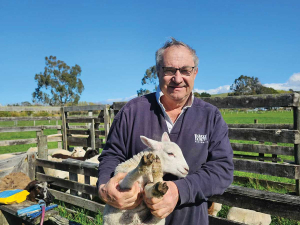
Decades piloting planes has ensured vet and farmer David Hayes is focused on safety. So, after a serious accident while welding on farm, he is sharing his experience so others can learn from it.
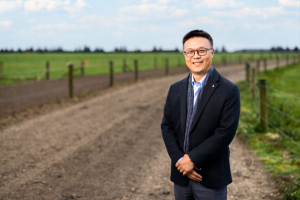
Canterbury milk processor, Synlait Milk has confirmed Leon Fung as its chief executive officer.
OPINION: Making it easier to collect rainwater and use it to grow crops and livestock is a no brainer.
As part of its Election 2026 coverage, Rural News asked political parties how they would help pull the arable sector out of the doldrums. Here's what they said:
Farmers are being encouraged to rethink how they manage waste on farm with the launch of ruralwastesorted.co.nz, a new website bringing together practical tips, real farmer experiences and resources.
New Zealand Winegrowers (NZW) is celebrating the India-New Zealand Free Trade Agreement (FTA) coming into force today, bringing New Zealand wine improved access to one of the world’s fastest-growing economies.



OPINION: The same mainstream media muppets that brought you Jacindamania in 2017 have been flat out pimping for the Opportunities…
OPINION: Your old mate reckons the atrocious way farmers in the UK are treated by their lords and masters in…




