Lanaco and Blueair Launch World-First NZ Wool Air Filter
New Zealand wool is reaching new heights as air filtration companies move away from synthetic products to biodegradable alternatives.




 increase font size

PRIMARY WOOL Cooperative's profit of $1.9m for the 2013 financial year is the largest in the cooperative's 39-history, says chairman, Bay de Lautour.
An average of two members per week joined the cooperative in 2013, growing to three members per week in the first four months of the 2014 financial year, de Lautour says.
The 2013 profit represents 71c a share and comes from Primary Wool Cooperative's 50% share of Elders Primary Wool which de Lautour says has gained market share as farmers see the benefits of their wool being handled by an efficient broker and seeing half the profits returned to the 100% farmer owned cooperative.
Consistent rewards to members include a 5% dividend in 2012, a 10% dividend in 2013, the annual 3c/kg rebate and new high quality woolpacks at a significant discount, have clearly struck a chord with farmers.
The cooperative has sourced about 75,000 new wool packs and sells them to farmers at $4 each, less than the market rate for second-hand packs. "This is a reward to members and also a way of improving the presentation of the wool clip."
Primary Wool Cooperative supports industry-good programmes and is a significant funder of the Campaign for Wool in New Zealand. The cooperative will increase its spending on promotion and industry-good as its equity position continues to strengthen, de Lautour says.
New Zealand wool is reaching new heights as air filtration companies move away from synthetic products to biodegradable alternatives.
Will a stronger, more coordinated voice help rebuild confidence and improve returns in the wool sector?
OPINION: Confidence in the wool sector is rebounding as prices hit levels not seen in more than 15 years.
The recently signed free trade agreement with India is an invitation to strengthen relationships between the New Zealand and Indian strong wool industries, says Wool Impact chief executive Andy Caughey.
Strong competition and tightening supply have seen wool reach its highest prices paid at auction since 2011.


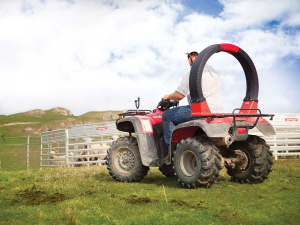
When Northland leather worker Vernon Suckling started making horse saddles 50 years ago, quad bikes and side-by-side vehicles were unheard of.
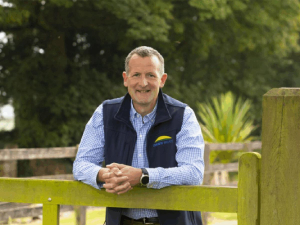
Alliance Group has confirmed that eligible farmer-shareholders who supply and continue to back the business will receive up to $20 million later this year, following the strategic investment partnership with Dawn Meats.
With a general election under five weeks away, Rural News is asking major political parties about their policies and positions on key issues facing the primary sector. We will run their responses to each question over the next four weeks. The ACT Party and the Greens didn't respond in time.
The red meat sector is in great heart.
Dr Scott Champion, Foundation for Arable Research chief executive, says that everyone in the supply chain had a role to play in driving the sector's long-term success.
Entries opened on Monday, 5 October 2026 for the 2027 New Zealand Dairy Industry Awards (NZDIA), which organisers describe as the nation's biggest celebration of excellence in the dairy sector.



OPINION: The same mainstream media muppets that brought you Jacindamania in 2017 have been flat out pimping for the Opportunities…
OPINION: Your old mate reckons the atrocious way farmers in the UK are treated by their lords and masters in…