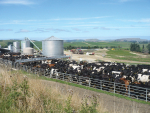
Dairy Sector Drives Strong Rural Property Market Activity in NZ
The latest data from the Real Estate Institute of New Zealand (REINZ) reveals a mixed rural property market due to consistent inflation concerns.




 increase font size
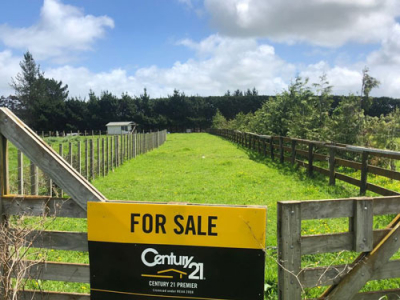 The National Policy Statement for Highly Productive Land proposes a nationwide approach to protecting highly productive land.
Farmer groups are backing Government proposals to prevent productive land from falling to housing development.
Horticultural land is especially in view.
The Government’s draft National Policy Statement for Highly Productive Land (NPS-HPL) proposes a nationwide approach to protecting highly productive land for future generations.
A two month consultation is underway.
Stats NZ says urban expansion threatens all forms of land based primary production.
But horticulture is especially at risk. The scale and value of horticulture hubs, on typically flat, well serviced land at urban fringes, makes that sector more vulnerable to urban expansion than other types of farming.
From 2002 to 2016, NZ’s land area used for vegetable growing decreased 29% — from 100,000ha to 70,000ha.
HortNZ’s natural resources and environment manager, Michelle Sands, says the Government’s proposal is to help retain vegetable and fruit growing in NZ.
“NZ needs its best soils for domestic food production,” said Sands. “Once you build houses on the best soils you cannot get the soils back.”
HortNZ says poor rules in Auckland are preventing new vegetable gardens being set up to replace land lost to housing.
Agriculture Minister Damien O’Connor says NZ’s most fertile and versatile land will get new protection.
“Our land is a precious taonga – an irreplaceable treasure and a source of life and wellness,” said O’Connor.
The latest data from the Real Estate Institute of New Zealand (REINZ) reveals a mixed rural property market due to consistent inflation concerns.
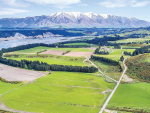
The Real Estate Institute of New Zealand (REINZ) has released its latest rural property report, providing a detailed view of New Zealand’s rural real estate market for the 12 months ending December 2025.
A Mid-Canterbury dairy farmer is bringing a millennial mindset to his family farm and is reaping the rewards, with a 50% uplift in milksolids production since he took over.
Buoyed by strong forecasts for milk prices and a renewed demand for dairy assets, the South Island rural real estate market has begun the year with positive momentum, according to Colliers.
Farm sales are on the rise. According to recent data from the Real Estate Institute of New Zealand (REINZ), there was an 18.9% increase in farm sales for the three months ending August 2024 compared to the same period in 2023.


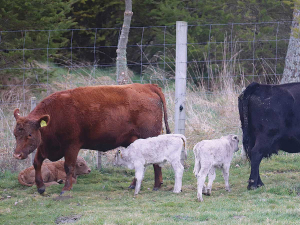
A major move is about to get underway to improve the quality and viability of dairy beef and cattle in NZ.
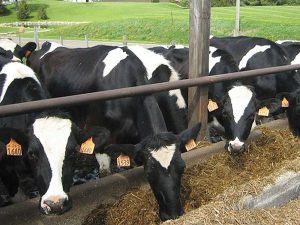
Veterinarians say changes to the code of welfare for dairy cattle provides a positive foundation for improved cattle welfare across the country.
Today, 15 October, is the International Day of Rural Women, which recognises rural women’s contribution to farming, communities and the environment.
Global dairy giant Lactalis has integrated its Australian operations with the Mainland Dairy consumer business it acquired from Fonterra earlier this year.
After almost two decades of sharemilking, saving and building equity, Aaron and Marcia Flay this year realised their long-held dream of settling on their first dairy farm.
Good medium to long term prospects for NZ beef, especially in the US, has heighted the focus on various initiatives to capitalise on this situation.


OPINION: The same mainstream media muppets that brought you Jacindamania in 2017 have been flat out pimping for the Opportunities…
OPINION: Your old mate reckons the atrocious way farmers in the UK are treated by their lords and masters in…




