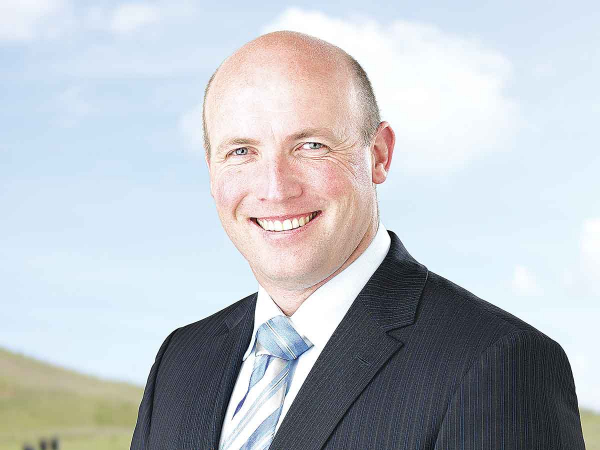
Who is National’s new agriculture spokesman, David Bennett?
While new National Party leader and former agriculture spokesman Todd Muller may have been unfamiliar to urban New Zealand, he was well known in the rural heartland.
Now, with Muller’s elevation to the top job, he has named the relatively unknown Hamilton MP David Bennett as National’s new agriculture spokesman. Peter Burke finds out who he is.
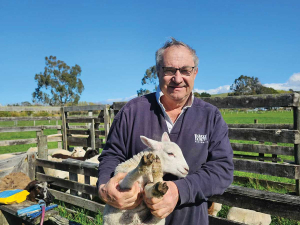
From the corporate life to the good life and then politics – that’s the career path of National’s new agriculture spokesman David Bennett.
Bennett, who has a strong agri background, told Rural News that he’s “stoked” to get what he describes as the pre-eminent portfolio in NZ politics.
“The primary industries and horticulture are the best things going for the country and being able to advocate for them and work alongside farmers is a real honour and privilege in politics.”
Bennett studied law and accountancy at Victoria University and then worked for KPMG in Auckland for two years. However, he says working in the corporate world “wasn’t his thing” and he decided to go dairy farming.
Both his parents had been involved in the dairy industry.
He worked hard and now owns two dairy farms and a dry stock block in the Waikato. Nowadays, the-day-to-day running of the farms is vested in three staff who Bennett says are as passionate as he is about the primary sector.
“I love the cows, I love being outside and I have loved working for myself and building up a business,” he told Rural News.
“At the weekends, I try to get out there and do a bit of fencing which is good for my soul. If I’m whacking a few waratahs into the ground, I can think about the opposition,” he jokes.
Farming was the catalyst for Bennett’s move into politics. He was president of Young Farmers and that inspired him to have a tilt at the Hamilton East seat, which he won in 2005 and has held ever since.
Bennett says from now on the primary sector is going to be crucial as the country recovers from the COVID-19 pandemic. He says it will also be a time when the wider community will support and acknowledge the contribution of agriculture and horticulture.
He senses there is an underlying level of support amongst the wider community, because many people have rural backgrounds.
“I think it is also important that farmers feel part of the nation’s family, that they are valued and are not ostracised. Not only for their own businesses, but also the downstream businesses that they support [with] their own farming and horticultural operations.”
Bennett believes a lot of people are keen get out of the rat race and he hopes that they seek the huge employment opportunities that the primary sector has to offer. He thinks that people, who up until now have been employed in jobs like management and marketing, will get involved in the primary sector and love the job options it has to offer.
Looking to the future, Bennett says the drivers will be farmers and others in the sector becoming more innovative and focused on increasing the production of value-add products in a sustainable and environmentally friendly way. He says farmers must “capture” that value chain.
“I think a government has to look at the infrastructure that’s required to enable farmers to get there and given that we have had prolonged droughts, water storage is now a crucial issue for this country,” he told Rural News. “A government also needs to provide infrastructure to get our products to export markets.”
While the drought is the centre of focus for many farmers right now, there have been suggestions that perhaps there should be some hold put on dealing with environmental issues. However, Bennett says realistically everyone is going to have to deal with increased compliance in this area over the next few years.
“I don’t see how we can walk away from that, but we need to do it in a way that is scientifically-based and manageable on farm,” he says. “For their part, farmers will have to adapt their businesses to meet the challenge of the market, which is definitely going to have an environmental focus on it over time.”
However, Bennett says farmers need to be given the structures to do that and government needs to be “rational and reasonable” around any requirements they put on farmers and ensure that these are science based.