Editorial: No Small Challenge
OPINION: There could hardly be a more appropriate theme for a conference than the one chosen by the red meat sector - Navigating Volatility.




 increase font size
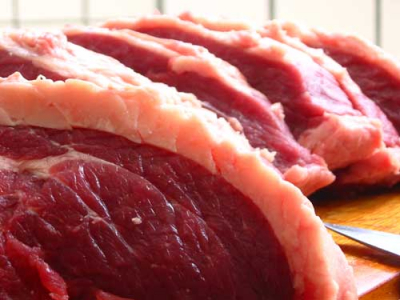 Meat and edible offal exports fell 15% ($235 million) in the September quarter.
Meat and edible offal exports fell 15% ($235 million) in the September quarter, Statistics New Zealand says.
The fall in values, after adjusting for seasonal effects, was due to a 13% fall in the quantities exported.
"We are seeing the effect of lower prices after the record meat season last year," international statistics senior manager Jason Attewell says. "In the year ended September, the actual value of meat exports has fallen by around 7%, but quantities were little changed, down 1%."
The fall in meat exports was a leading factor in a drop in total goods exports from the June 2016 quarter. Overall, seasonally adjusted quarterly goods exports fell by 4.8 percent ($605 million).
Other key movements in the September 2016 quarter included a fall in the value of fruit exports, down 5.8% ($40 million) to $644 million, and a rise in the value of forestry products, up 4.1% ($43 million) to $1.1 billion.
Exports of milk powder, butter, and cheese were little changed in the September 2016 quarter.
The seasonally adjusted value of goods imports rose 2.2%, led by a rise in capital goods.
The seasonally adjusted quarterly trade deficit was $1.1 billion, equivalent to 9.5% of exports.
This release focuses on our goods trade. For the year ended June 2016, goods made up 70% of total exports, and 74% of total imports. Goods and Services Trade by Country: Year ended September 2016 will be available on 2 December 2016.
OPINION: There could hardly be a more appropriate theme for a conference than the one chosen by the red meat sector - Navigating Volatility.
New Zealand's red meat and fifth-quarter exports reached $867 million in August, up 23% on the same month last year, as stronger returns lifted earnings across all major markets.
Meat Industry Association data, released alongside the Red Meat Sector conference in Wellington, shows export value climbing across the US, China, UK and Canada.
OPINION: The stats speak for themselves.
New Zealand consumers are paying more for beef mince than ever before, with the average retail price now sitting above $24 per kilogram, according to Rabobank.



National’s pledge to introduce 19 new national standards shows the party is serious about getting Wellington out of farming, Federated Farmers says.
The National Party’s policies to make it easier to grow fresh vegetables, secure reliable water and energy and simplify farm planning are practical changes that will give growers the confidence to invest, according to Horticulture New Zealand (HortNZ).
Fonterra Co-operative Group chief financial officer Andrew Murray has resigned to take up a role outside the dairy giant.
A major move is about to get underway to improve the quality and viability of dairy beef and cattle in NZ.
Veterinarians say changes to the code of welfare for dairy cattle provides a positive foundation for improved cattle welfare across the country.
Today, 15 October, is the International Day of Rural Women, which recognises rural women’s contribution to farming, communities and the environment.


OPINION: The same mainstream media muppets that brought you Jacindamania in 2017 have been flat out pimping for the Opportunities…
OPINION: Your old mate reckons the atrocious way farmers in the UK are treated by their lords and masters in…




