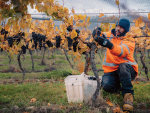
SWNZ Strengthens People Pillar for Global Markets
With ethical employment practices a "hot topic" in key markets, Sustainable Winegrowing New Zealand (SWNZ) is strengthening its People Pillar.




 increase font size

THE RED meat and wool sector faces a challenge in training and retaining people with market and product-oriented skills as well as cultural and language capabilities, a new employment report says.
This is because over 90% of the sheepmeat and beef produced in New Zealand is exported.
The skills requirements were outlined in the 'Future capability needs for primary industries in New Zealand' report just released.
Beef + Lamb New Zealand says it's important to have an understanding of the sector's workforce requirements
Beef + Lamb NZ chief executive officer, Dr Scott Champion, says the report confirms the need for skilled and innovative farm managers who have willingness to adopt new technologies.
Champions says the marketing and cultural skills were identified in the Red Meat Sector Strategy. "Support in this area features strongly in B+LNZ's national programme of extension events and is a key reason for our investment alongside key processors and banks through the Red Meat Profit Partnership.
"The report notes we'll also need to access better business management skills for the supply chain, including skilled people with food safety knowledge and the ability to innovate.
"We know that maintaining our excellent food safety record is going to be critical to operating successfully in valuable export markets."
The report acknowledges for the red meat and wool sector, on-farm employment has declined as the dairy sector has expanded.
"Export volumes have changed little though as we have seen productivity increases from higher lambing percentages and heavier lambs offsetting declining ewe numbers."
Dr Champion says Beef + Lamb New Zealand realises young people need to see a sector that they want to be part of – one that is positive, forward thinking, and has exciting career prospects.
To support this, Beef + Lamb New Zealand has teamed up with Young Farmers and DairyNZ to create a one-stop career hub to showcase opportunities in the agricultural sector.
"This is the 'Get Ahead' programme which promotes a diverse range of rewarding jobs across the farming sector."
With ethical employment practices a "hot topic" in key markets, Sustainable Winegrowing New Zealand (SWNZ) is strengthening its People Pillar.

OPINION: Farmers have been clear: it is getting harder, not easier, to find and keep good people.
Building on the success of last year's events, the opportunity to attend People Expos is back for 2025, offering farmers the chance to be inspired and gain more tips and insights for their toolkits to support their people on farm.
A digital campaign urging New Zealanders to show their support for fruit and vegetable growers has been launched.
OPINION: Comparative Tastings are an expensive but potentially effective strategy for a wine producer to raise the image of their wine or wines.


Federated Farmers has welcomed new rural policies released by ACT, saying they align closely with its own election priorities.

Rural Contractors NZ says proposed changes to land transport rules for agricultural vehicles are a welcome response by the Government to out of date regulations which have seen members hit with huge fines.
Alliance is calling for final applications for its 2027 Graduate Programme, with applications closing on Sunday 25 October.
Decades piloting planes has ensured vet and farmer David Hayes is focused on safety. So, after a serious accident while welding on farm, he is sharing his experience so others can learn from it.
Canterbury milk processor, Synlait Milk has confirmed Leon Fung as its chief executive officer.
OPINION: Making it easier to collect rainwater and use it to grow crops and livestock is a no brainer.

OPINION: The same mainstream media muppets that brought you Jacindamania in 2017 have been flat out pimping for the Opportunities…
OPINION: Your old mate reckons the atrocious way farmers in the UK are treated by their lords and masters in…




