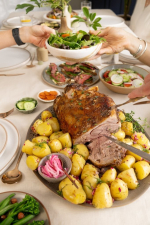
Move over ham, here comes lamb
It’s official, lamb will take centre stage on Kiwi Christmas tables this year.




 increase font size
 Andy Leonard.
Markets for New Zealand lamb have performed strongly for the last six months, says Affco general manager Andy Leonard.
While some Brexit anxiety persists in the UK, other markets – Europe, the US, the Middle East and China -- have performed above expectations.
“Farmers should be lot happier with the state of play,” Leonard told Rural News.
He believes a shortage of lamb exports from Australia and NZ help explain the price rise. A “relatively consistent” exchange rate over the last six months is also helping farm returns.
Affco is one of NZ’s four large meat exporters; lamb and beef are its main exports.
“Lamb prices today are well above those at the same time last year; six months ago that didn’t look like happening.”
On the beef market, Leonard says it remains solid, backed by the US ground beef market holding up.
“Generally beef pricing is solid and consistent -- not too many fluctuations.”
In recent weeks most NZ meat plants have been processing cows culled by the dairy industry.
But with the dairy payout picking up, cull cow numbers are expected to drop.
Leonard says cull cow kill numbers are down 15% year-on-year. “Most beef plants would have been reasonably full but it will now start to drop off.”
It’s official, lamb will take centre stage on Kiwi Christmas tables this year.
Alliance Group has secured greater access for chilled beef exports to China, following approval for two of its processing plants to supply the market.
There's been a dramatic and larger than expected drop in the number of lambs produced in New Zealand.
Beef + Lamb New Zealand (B+LNZ) says recent criticism from the UK’s Secretary of State for Environment, Food and Rural Affairs regarding New Zealand’s animal welfare standards are unfounded.
After a tough 18-plus months, there is now an air of optimism in the sheepmeat market as we hit the start of the 2024-25 export season.



National’s pledge to introduce 19 new national standards shows the party is serious about getting Wellington out of farming, Federated Farmers says.
The National Party’s policies to make it easier to grow fresh vegetables, secure reliable water and energy and simplify farm planning are practical changes that will give growers the confidence to invest, according to Horticulture New Zealand (HortNZ).
Fonterra Co-operative Group chief financial officer Andrew Murray has resigned to take up a role outside the dairy giant.
A major move is about to get underway to improve the quality and viability of dairy beef and cattle in NZ.
Veterinarians say changes to the code of welfare for dairy cattle provides a positive foundation for improved cattle welfare across the country.
Today, 15 October, is the International Day of Rural Women, which recognises rural women’s contribution to farming, communities and the environment.



OPINION: The same mainstream media muppets that brought you Jacindamania in 2017 have been flat out pimping for the Opportunities…
OPINION: Your old mate reckons the atrocious way farmers in the UK are treated by their lords and masters in…




