Ospri brings Bovine TB testing in-house
The move to bring bovine TB testing in-house at Ospri officially started this month, as a team of 37 skilled and experienced technicians begin work with the disease eradication agency.




 increase font size
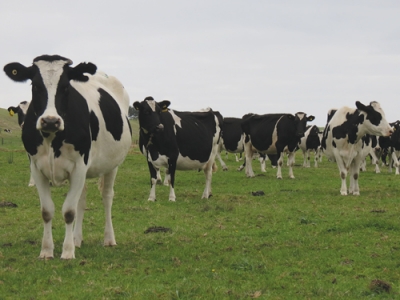 Thanks to pest management, bovine tuberculosis levels in deer and cattle herds are at the lowest ever reported
The National Policy Direction for Pest Management has come into effect.
MPI’s director of biosecurity and animal welfare policy, Julie Collins, says established pests are estimated to cost New Zealand’s primary sector up to $3.3 billion annually.
“Even small improvements to New Zealand’s pest management system could save millions of dollars in the long term.”
“The National Direction will support national and regional management of challenging pest issues such as wilding conifers, by ensuring consistent approaches to the way rules are set across New Zealand and that landowner obligations are clearly signalled and underpinned by robust analysis.”
“The National Direction sets overarching requirements for national and regional pest and pathway management plans, and small-scale management programmes. It will ensure that these plans and programmes across New Zealand are clear and consistent, and provide the best value.”
National and regional pest management plans provide significant benefits for New Zealand. For example, the national pest management plan for bovine tuberculosis helps protect New Zealand’s dairy, beef and deer production, and enhances New Zealand’s reputation as a responsible producer of dairy and red meat products.
The plan has resulted in bovine tuberculosis levels in deer and cattle herds being the lowest ever reported.
The National Direction will also require all landowners in New Zealand, regardless of tenure, to manage pests spilling across boundaries onto neighbouring properties.
Those who will be directly affected by the National Direction include all regional councils and Kiwifruit Vine Health, the National Beekeepers Association, and OSPRI New Zealand. All these organisations have regional and national plans that manage pests and diseases that affect New Zealand.
The move to bring bovine TB testing in-house at Ospri officially started this month, as a team of 37 skilled and experienced technicians begin work with the disease eradication agency.

Southland farmer and director Tony Cleland has been named OSPRI New Zealand’s new chair.
TB differential slaughter levy rates are changing with dairy animals paying $12.25/head, an increase of 75c from next month.
OSPRI is searching for a new chief executive following the decision by Steve Stuart to resign after a five-year tenure.
OSPRI chief executive Steve Stuart is stepping down after five years in the role.



Entries opened on Monday, 5 October 2026 for the 2027 New Zealand Dairy Industry Awards (NZDIA), which organisers describe as the nation's biggest celebration of excellence in the dairy sector.

Waikato milk processor Tatua has again declared a record milk payout to farmer shareholders, leaving other processors in the dust.
A Labour-led Government won’t be bringing back the controversial freshwater rules of 2020.
National’s much-touted free trade deal with India featured in the Rural Issues Debate at Mystery Creek, Hamilton on Wednesday night.
New Zealand's 2026-27 freshwater fishing season has opened, with anglers encouraged to head to rivers and lakes over the coming days as conditions look favourable across much of the country.
Central Otago District Council (CODC) has voted against a plan to spread treated sewage sludge from Cromwell and Alexandra on farmland near Lauder, a decision Federated Farmers says reflects strong opposition from rural residents.





OPINION: The same mainstream media muppets that brought you Jacindamania in 2017 have been flat out pimping for the Opportunities…
OPINION: Your old mate reckons the atrocious way farmers in the UK are treated by their lords and masters in…