NZKGI Responds to Migrant Worker Exploitation Reports
Where any worker in the kiwifruit industry is mistreated, we expect the authorities to take action.




 increase font size
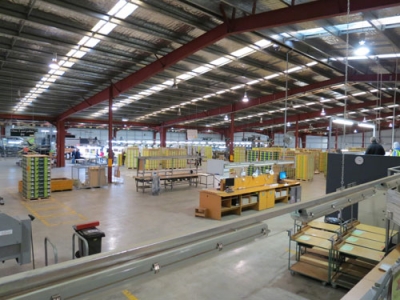 Packhouses are short of staff.
The horticulture industry has an obligation to involve New Zealanders because they are the seedbed for workers for the industry, Jerf van Beek told a HortNZ conference session.
HortNZ was told by government agencies that the industry could employ seasonal workers from the Pacific and Asia, but had to involve NZers also.
At roadshows growers did not want to consider NZers because they presented a “broken picture. The growers have had very poor experiences with them. “But we owe it to our industry and communities to try.”
Van Beek says some of the social issues of Hawkes Bay and other horticulture regions is related to the seasonality of the labour.
“If we can attract NZers – attract them for longer, if we spend time with them and have our education providers assist, then we can attract and develop them.”
He says politically it is very difficult for the Government to allow large numbers of migrants to enter NZ, hence it wants industry to measure what it is doing in this areas.
Van Beek says the industry is unique in the migrant seasonal workers it is allowed to bring in.
“Politically it is very difficult for governments to bring people through the border while you have unemployed people sitting in the regions or even in the bigger cities.”
Under the NZ RSE scheme they are trying to bring people in from areas of high unemployment. “The scheme has been very successful in Bay of Plenty, but in Hawkes
Bay not so much. It is much more difficult to pick an apple than a kiwifruit.
“Packhouses are very short of staff and it has proved better to put NZers into packhouses than the fields. We will find out over the next two or three seasons how we can go forward with the scheme. I believe it is here to stay and we need to make it work,” van Beek adds.
Where any worker in the kiwifruit industry is mistreated, we expect the authorities to take action.

Kiwifruit growers are watchful but remain optimistic as concerns around the potential effects of the El Niño weather pattern this season.
James Blair, an agronomist for AS Wilcox and the Pukekohe regional champion, has won the 2026 Young Grower national title.
Claimed to be the first autonomous robot for New Zealand vegetables growers, the first Kilter AX-1 unit has arrived in the country.
After delivering a strong financial year, rural trader PGG Wrightson says the coming months will depend on customer confidence and weather.



Entries opened on Monday, 5 October 2026 for the 2027 New Zealand Dairy Industry Awards (NZDIA), which organisers describe as the nation's biggest celebration of excellence in the dairy sector.
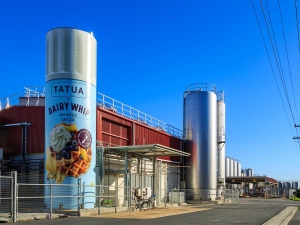
Waikato milk processor Tatua has again declared a record milk payout to farmer shareholders, leaving other processors in the dust.
A Labour-led Government won’t be bringing back the controversial freshwater rules of 2020.
National’s much-touted free trade deal with India featured in the Rural Issues Debate at Mystery Creek, Hamilton on Wednesday night.
New Zealand's 2026-27 freshwater fishing season has opened, with anglers encouraged to head to rivers and lakes over the coming days as conditions look favourable across much of the country.
Central Otago District Council (CODC) has voted against a plan to spread treated sewage sludge from Cromwell and Alexandra on farmland near Lauder, a decision Federated Farmers says reflects strong opposition from rural residents.





OPINION: The same mainstream media muppets that brought you Jacindamania in 2017 have been flat out pimping for the Opportunities…
OPINION: Your old mate reckons the atrocious way farmers in the UK are treated by their lords and masters in…